Bitterne Manor Primary & Nursery School
History
 Curriculum Intent
Our History curriculum is designed to ignite children’s curiosity about the past. We are determined that, alongside historical knowledge, there will be a high focus on the development of specific historical skills to ensure children know more and remember more. The history skills and knowledge are then built upon each year, with a clear path of progression through the school.
The teaching of history in our school is intended to equip pupils to ask questions about the past, analyse evidence, think critically, appreciate different perspectives and develop informed judgements through our 'Engage', 'Develop', 'Innovate' and 'Express' planning sequences.
History is delivered within projects. We immerse the children into a theme by exploiting cross-curricular links, links with British values and our school values. Teachers make it explicit to the children what history skills and knowledge they are learning and encourage them to think like ‘historians’ through an enquiry-led teaching approach.
 Curriculum Implementation
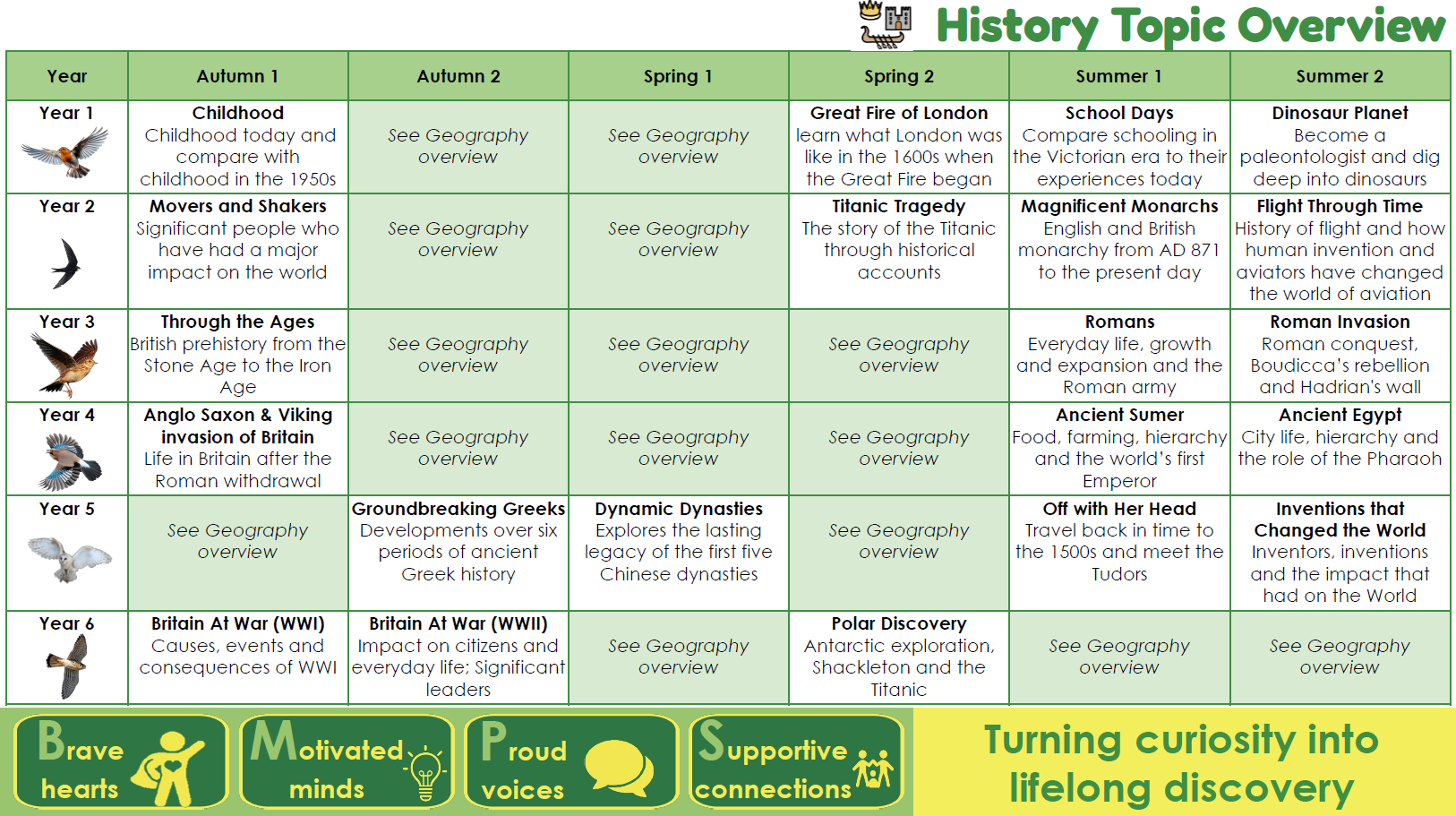
Our History curriculum covers the skills outlined in the National Curriculum through broad, challenging and inspiring projects. Progression is planned in knowledge, skills and vocabulary so that pupils, by the end of year 6, have the ability to be successful in History in their secondary school. Lessons carefully build on prior learning so that children can make sense of the subject. Progression allows for sensible cross-curricular links to be made.
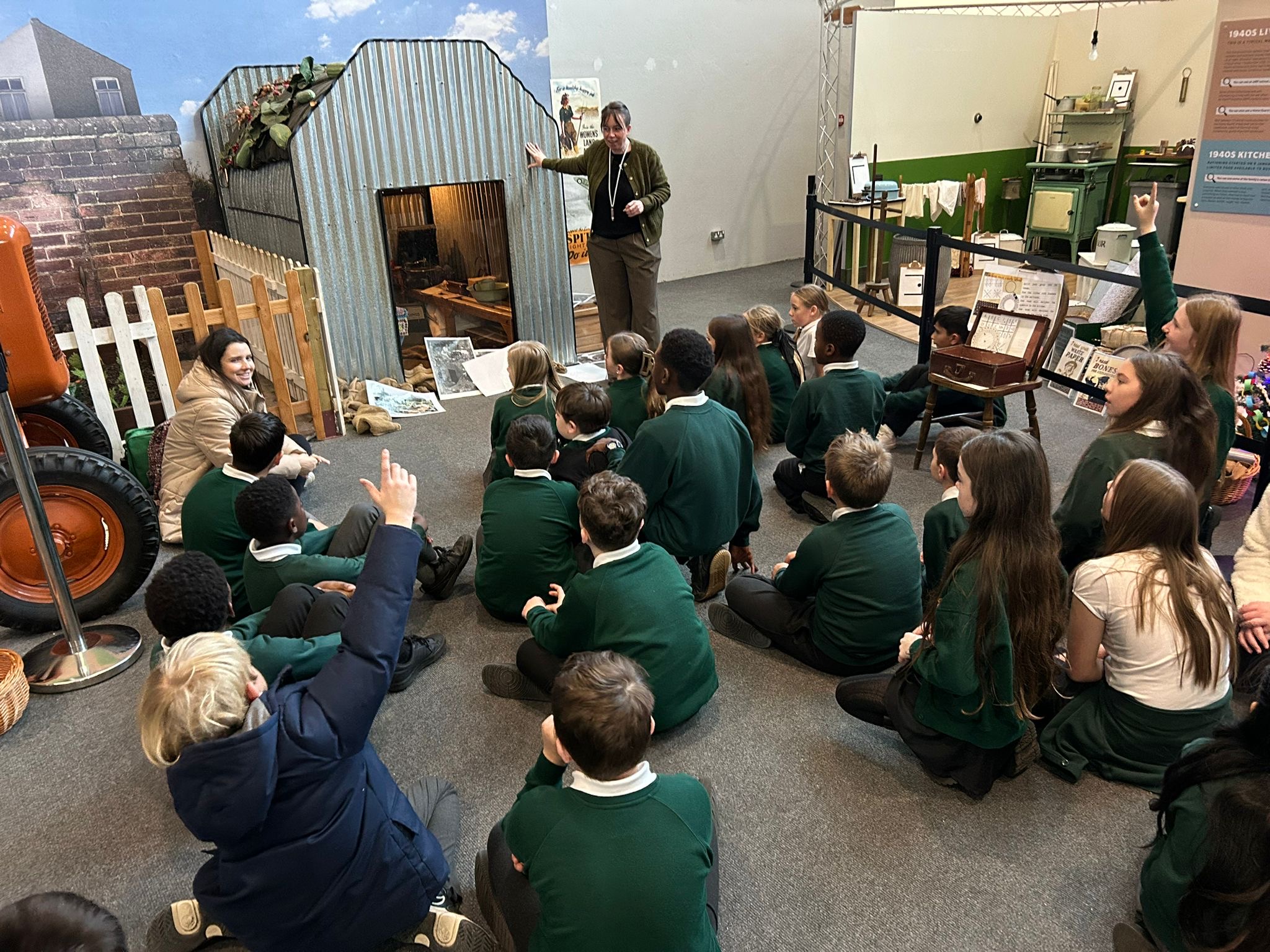
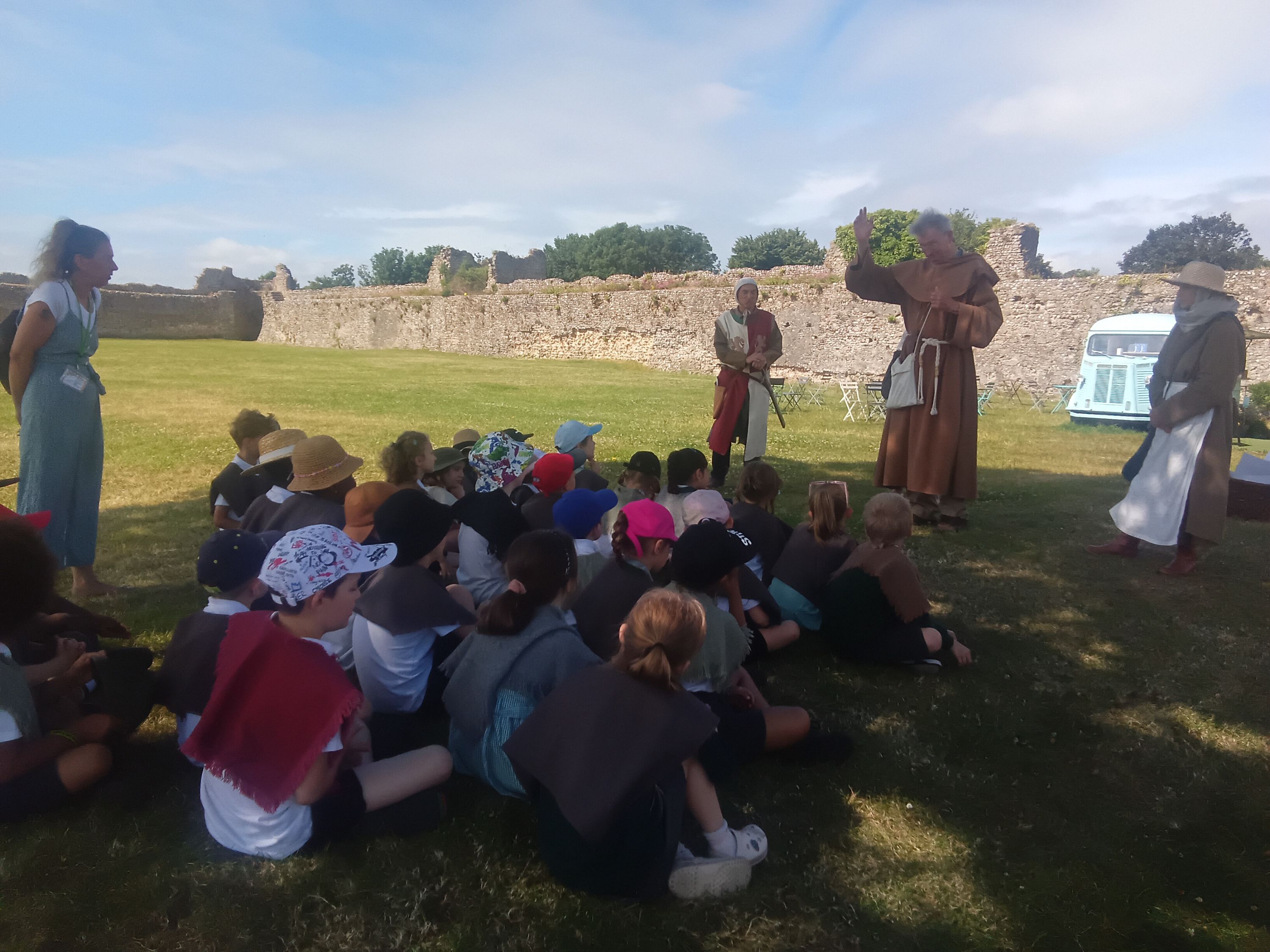
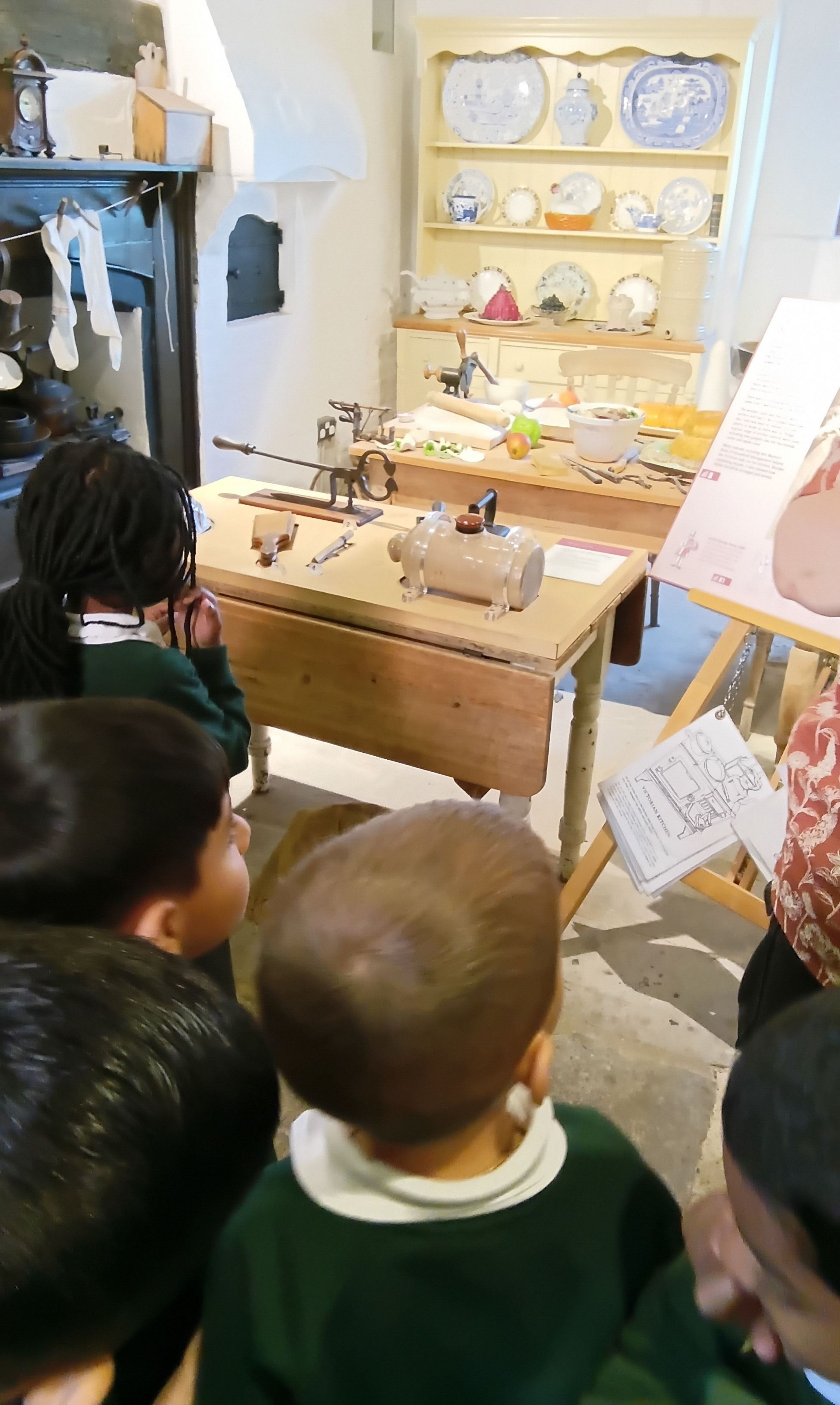
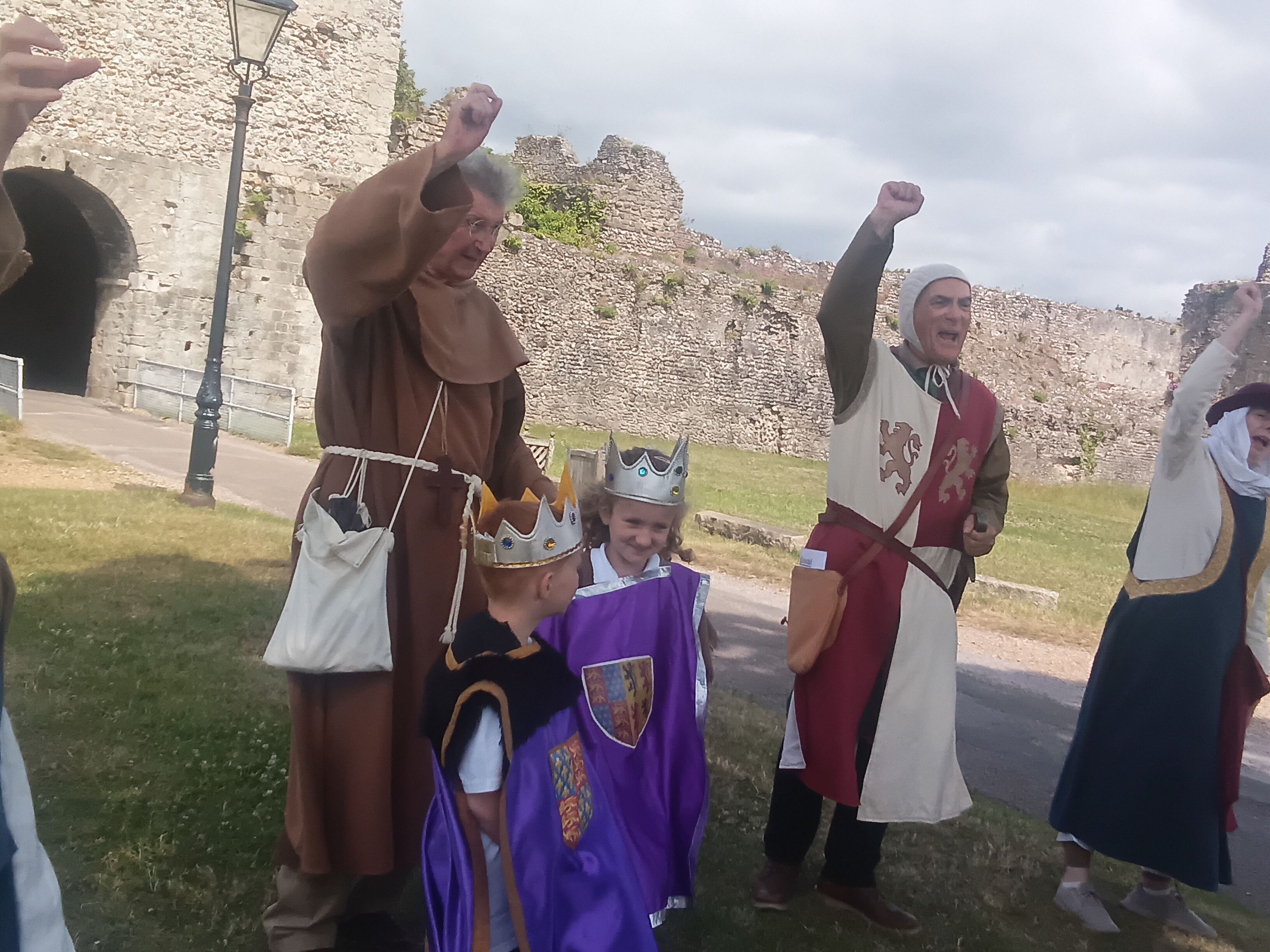
Medium-term plans ensure that both the required knowledge, and the history-specific skills, are fully covered. Sessions are planned to inspire, engage and challenge pupils in response to their needs. Children are given a wide variety of experiences both in the classroom and out. We encourage school trips and visitors to school to enable the children to gain memorable experiences to support their learning through enhanced provision.
Within lessons, pupils are encouraged to think like historians and develop their skills, including historical enquiry. There is a strong emphasis on developing children’s other skills, such as understanding of chronology, interpretations of evidence, changes within a time and across time periods, as well as cause and consequence.
 Curriculum Impact
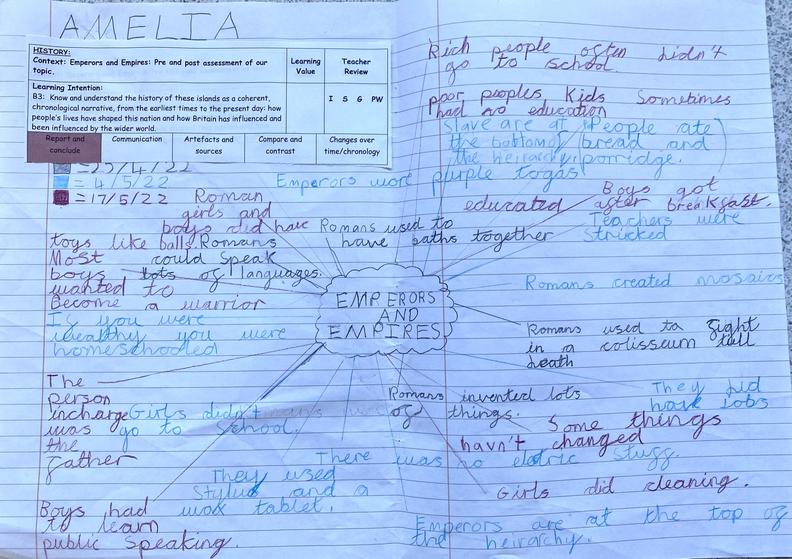
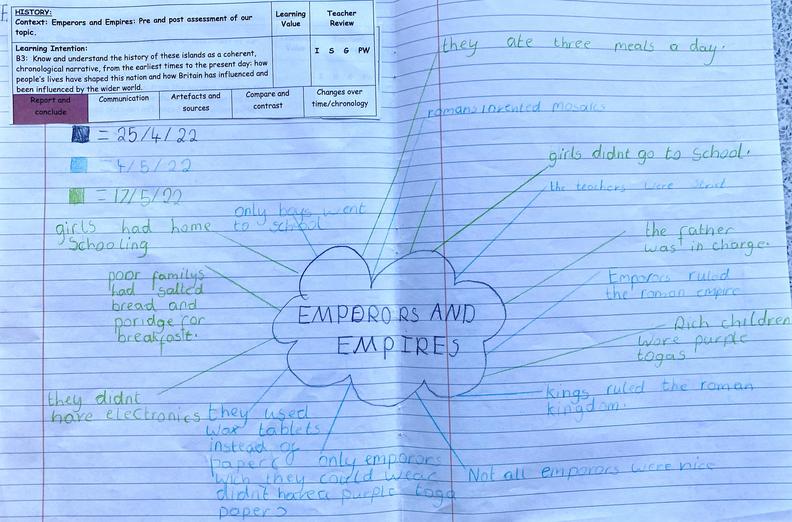
History is assessed through teacher judgement and monitored by the subject leader. Progression grids, and pupil voice, supports teachers in making accurate judgements of what the children know.
We monitor learning and progression throughout all year groups, using a variety of strategies such as book scrutinises, lesson observations, staff discussions and pupil interviews. Feedback is given to teachers and leaders use the information to ensure children are making progress.
Further Information
Enhancements:
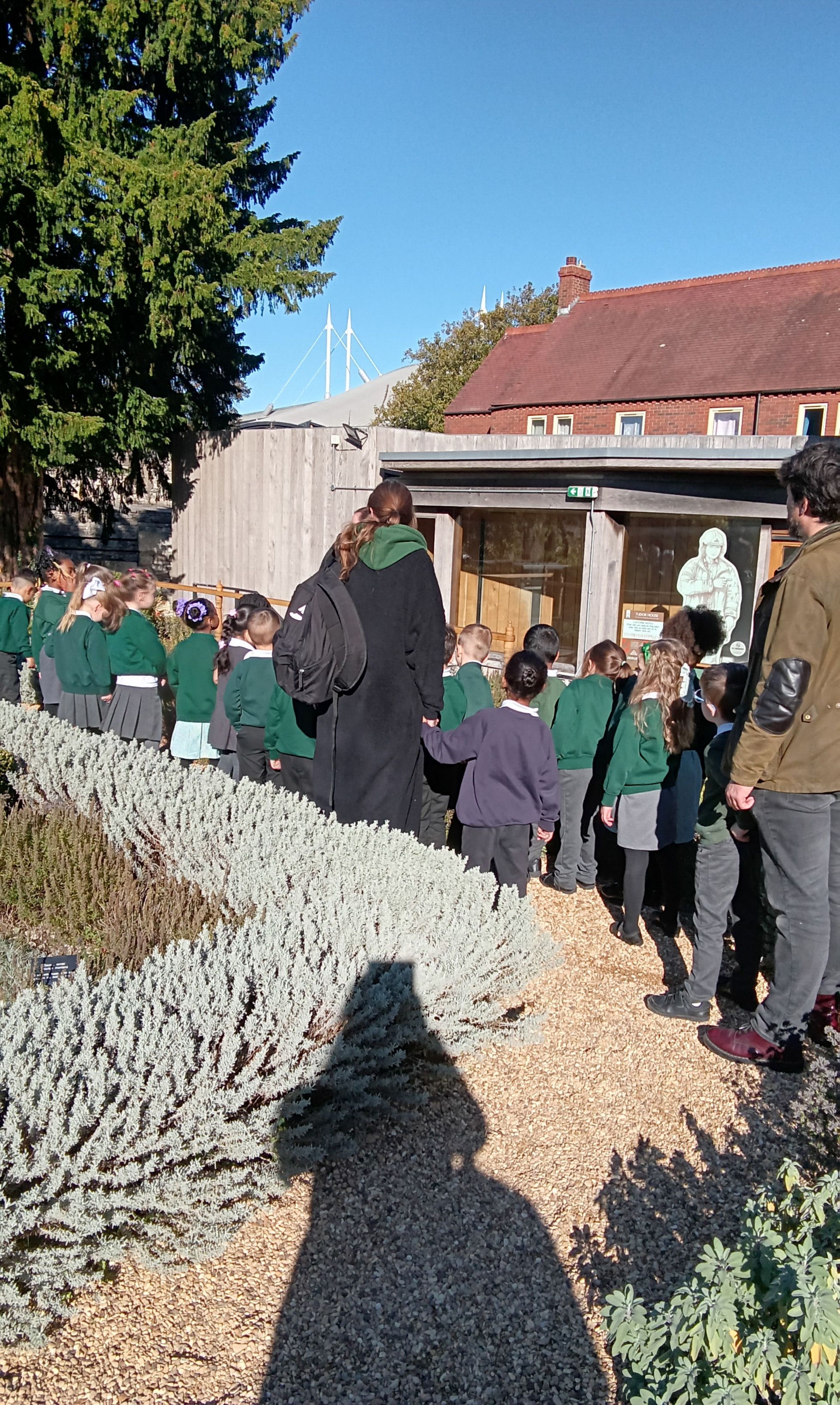
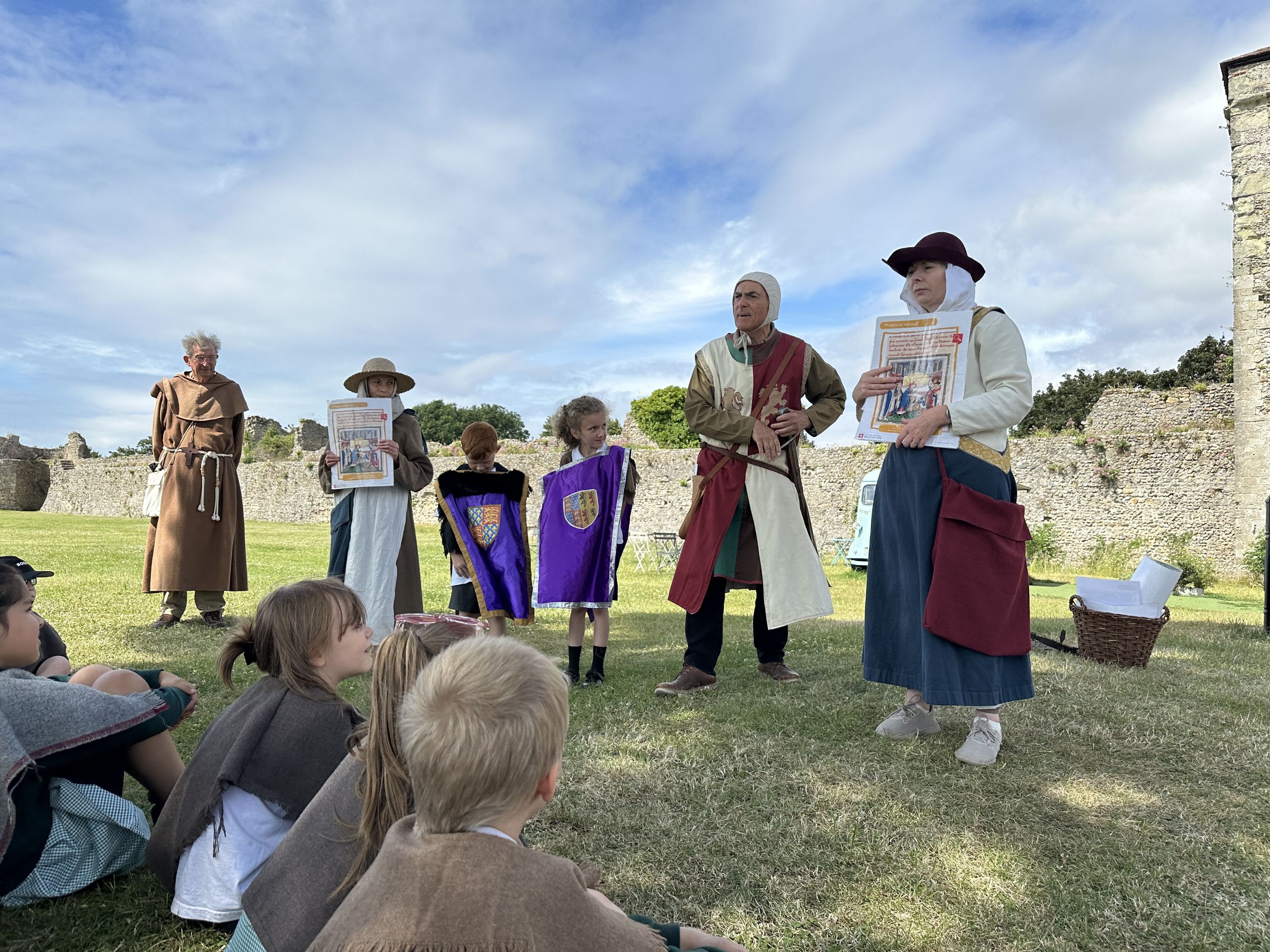
Our curriculum is enhanced with resources from Hampshire History Centre, who provide historical artefacts, as well as, teaching resources and information to enrich History. Visits and visitors are planned to enhance children’s understanding and knowledge of the theme. For example, Year 3 visit Butser Farm when looking at the Stone Age. Additionally, local walks are planned, where appropriate, in order to link their historical learning to changes within their own local area.
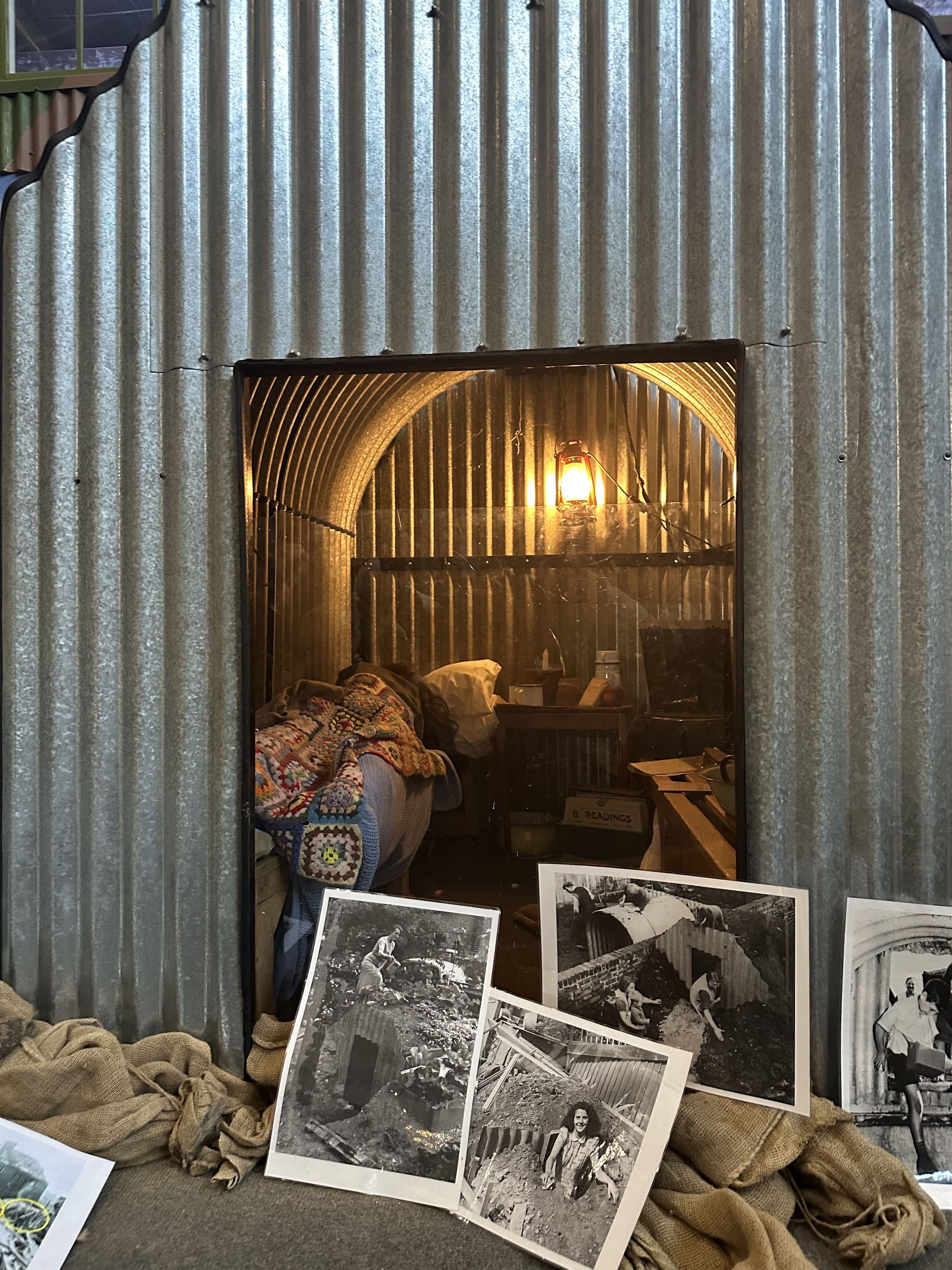
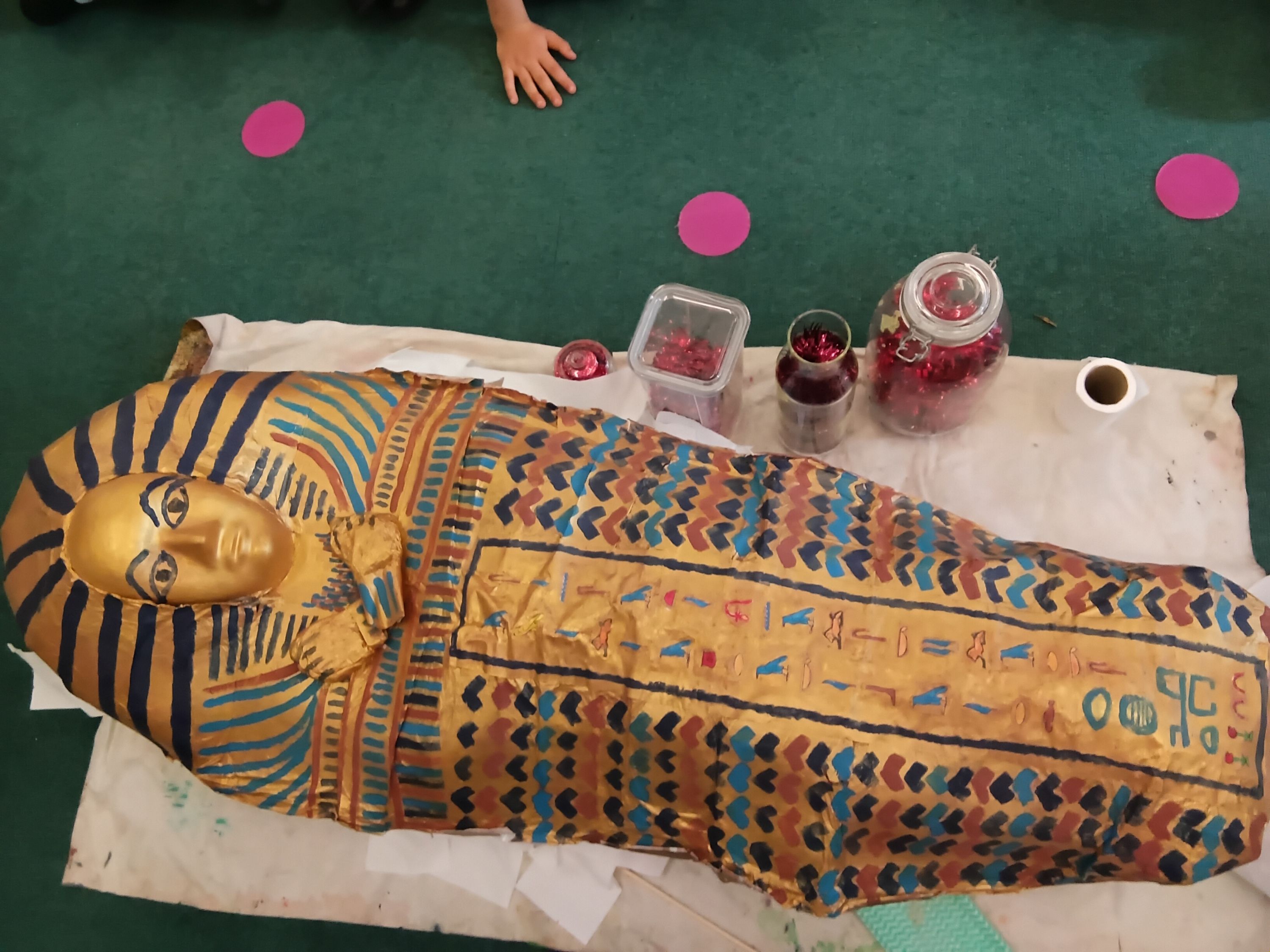
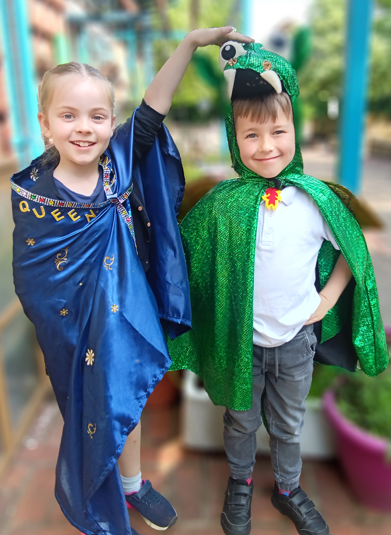
To further support and enhance the curriculum, higher engagement days and memorable experiences are planned in. This is something that gets the children fully engaged in a topic. It could be something that the children take part in creating, like an immersive display, such as building a rainforest scene in the classroom before teaching a unit of work about the rainforest: playing rainforest sounds, placing giant potted plants around and creating more trees out of card and paper. It could be a secret, prepared by the teacher beforehand. Or, an immersive day when everyone dresses up and engages in activities linked to the topic.
Why do we use higher engagement days and memorable experiences?
“When students are engaged and motivated and feel minimal stress, information flows freely…and they achieve higher levels of cognition, make connections, and experience “aha” moments. Such learning comes not from quiet classrooms and directed lectures, but from classrooms with an atmosphere of exuberant discovery (Feel-Bad Education in Education Week, Kohn, 2004).
A memorable experience has supreme power in engaging students, capturing their imagination and maximising learning. It is an opportunity to inject energy into a new learning journey and to create an eagerness to find out more. Think of a rocket launch analogy – in order to reach the moon, an effective and impressive take off is critical.
The reason they work so well is because they frame thinking, focus on the concept at hand and give learning objectives in context. Additionally, it can make connections between existing knowledge and future learning.