Bitterne Manor Primary & Nursery School
Behaviour
At Bitterne Manor Primary and Nursery School, our family nurtures potential by building Brave hearts, Motivated minds, Proud voices, Noble choices and Supportive connections
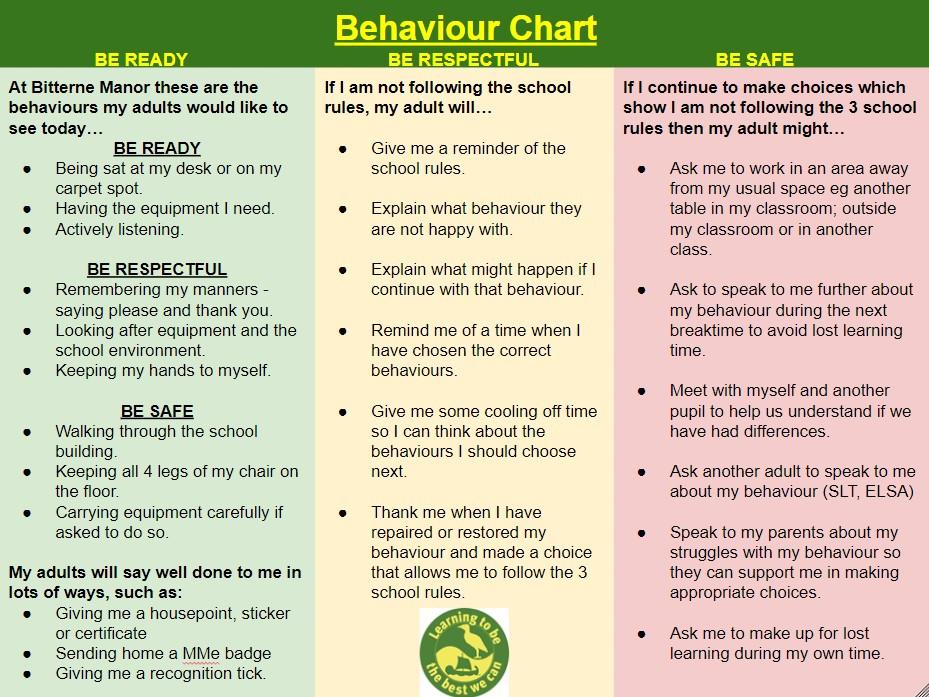
We are committed to creating a calm, safe and positive learning environment where excellent behaviour is the minimum expectation and every child feels valued, understood and supportedOur behaviour culture is rooted in strong relationships, high expectations and a shared belief that behaviour is part of learning — for community, for school and for life.
Our Three Simple Rules
Everything we do is guided by three clear and consistent rules:
Be Ready. Be Respectful. Be Safe.
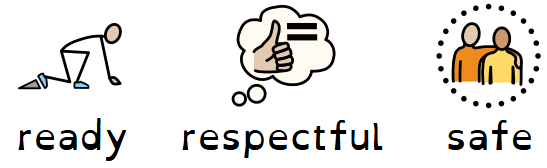
These rules are explicitly taught, modelled and practised every day. They provide the structure and predictability children need to feel secure and succeed.
Our Values in Action
Our behaviour expectations are directly linked to our school values:
-
Brave hearts – trying new things, accepting challenge, showing resilience
-
Motivated minds – staying focused, persevering and doing our best
-
Proud voices – speaking confidently and kindly
-
Noble choices - act with integrity, doing what's right and making good choices
-
Supportive connections – respecting others and helping everyone feel they belong
We expect children to:
-
Come to school ready to learn and discover
-
Show respect to everyone
-
Keep themselves and others safe
-
Take pride in their work and achievements
-
Care for our school environment
-
Celebrate their own success and that of others
A Relational and Restorative Approach
At Bitterne Manor, we believe in being strict without being harsh, maintaining boundaries without humiliation, and correcting behaviour without damaging relationships.
We understand that behaviour is a form of communication. Staff respond with:
-
Consistency and clarity
-
Calm, regulated adult behaviour
-
Curiosity and empathy
-
Restorative conversations that repair harm
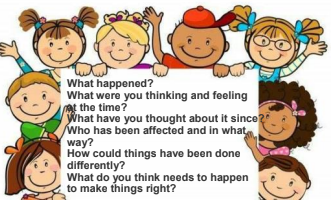
We use restorative questions to help children reflect:
-
What happened?
-
Who has been affected?
-
What needs to happen to put this right?
The focus is always on learning, repairing and moving forward — not shaming or isolating.
The PACE Approach
All staff are trained to use the PACE approach (Playfulness, Acceptance, Curiosity and Empathy).
This means we:
-
Use warmth and humour to de-escalate
-
Show unconditional positive regard
-
Stay curious about what behaviour is communicating
-
Support children to regulate before correcting
We prioritise connection before correction, while maintaining firm, predictable boundaries.
Teaching Self-Regulation
We explicitly teach children how to manage emotions using the Zones of Regulation.
Children learn to:
-
Recognise how they are feeling
-
Understand that all emotions are normal
-
Develop strategies to regulate themselves
-
Build resilience and problem-solving skills
The Red and Yellow Zones are not “naughty” zones — they are part of being human. We teach children how to move back to a calm, ready-to-learn state.
In our younger years, we use The Colour Monster to help children build emotional vocabulary and empathy.

High Expectations with Equity
We recognise that fairness is not everyone getting the same — it is everyone getting what they need.
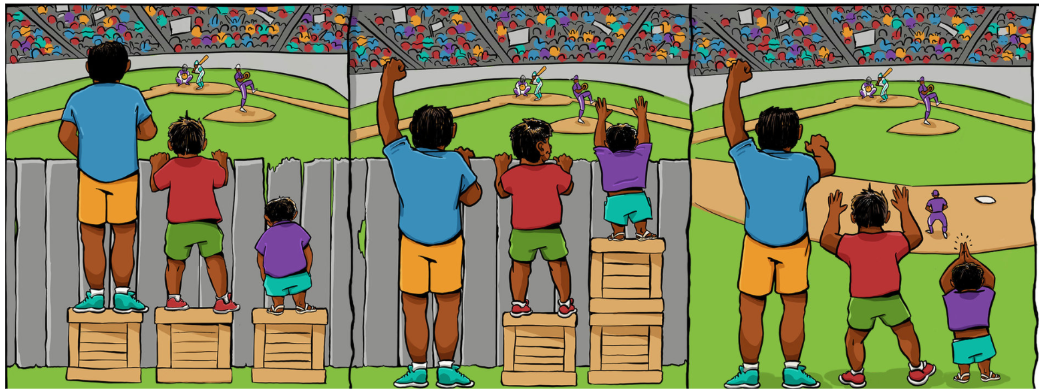
For some children, following behaviour expectations may be beyond their developmental level. In these cases, we provide:
-
Bespoke positive behaviour plans
-
Individual response cards
-
Sensory adjustments
-
Calm or regulation spaces
-
Additional adult support
-
Adaptations for neurodiverse pupils
We maintain high expectations for all, alongside high levels of nurture and structure.
Praise, Recognition and Celebration
Positive behaviour is noticed, reinforced and celebrated. We use:
-
Verbal praise
-
Class Dojos
-
Positive messages home
-
Celebration assemblies
-
Golden Book Awards
Encouragement and recognition build intrinsic motivation, self-esteem and strong relationships.
In Our School…
- Every day is a fresh start.
- Every child belongs.
- Every child can succeed.