Bitterne Manor Primary & Nursery School
Maths
 Curriculum Intent:
The school provides a broad and balanced curriculum planned in accordance with the National Curriculum, which teaches all children key skills, concepts and attitudes and develops their knowledge and understanding across all curriculum areas.
Mathematics is a life skill and provides a way of viewing and making sense of the world. It can be used to analyse and communicate information and ideas and to tackle a range of practical tasks and real life problems. We want the children at Bitterne Manor Primary School to enjoy learning mathematical concepts. We use Mathematics to enrich children's learning experiences and to provide them with a useful tool for everyday life.
The intent of our curriculum is to:
- Enhance knowledge, skills and understanding of mathematical concepts.
- Talk about and explain their understanding of concepts, skills and methods as well as listen to others.
- Prepare children to use mathematics in the wider world.
- Enjoy mathematics.
- Become independent mathematics learners.
- Be able to apply knowledge and skills to mathematical tasks.
- Provide equal opportunities for all children.
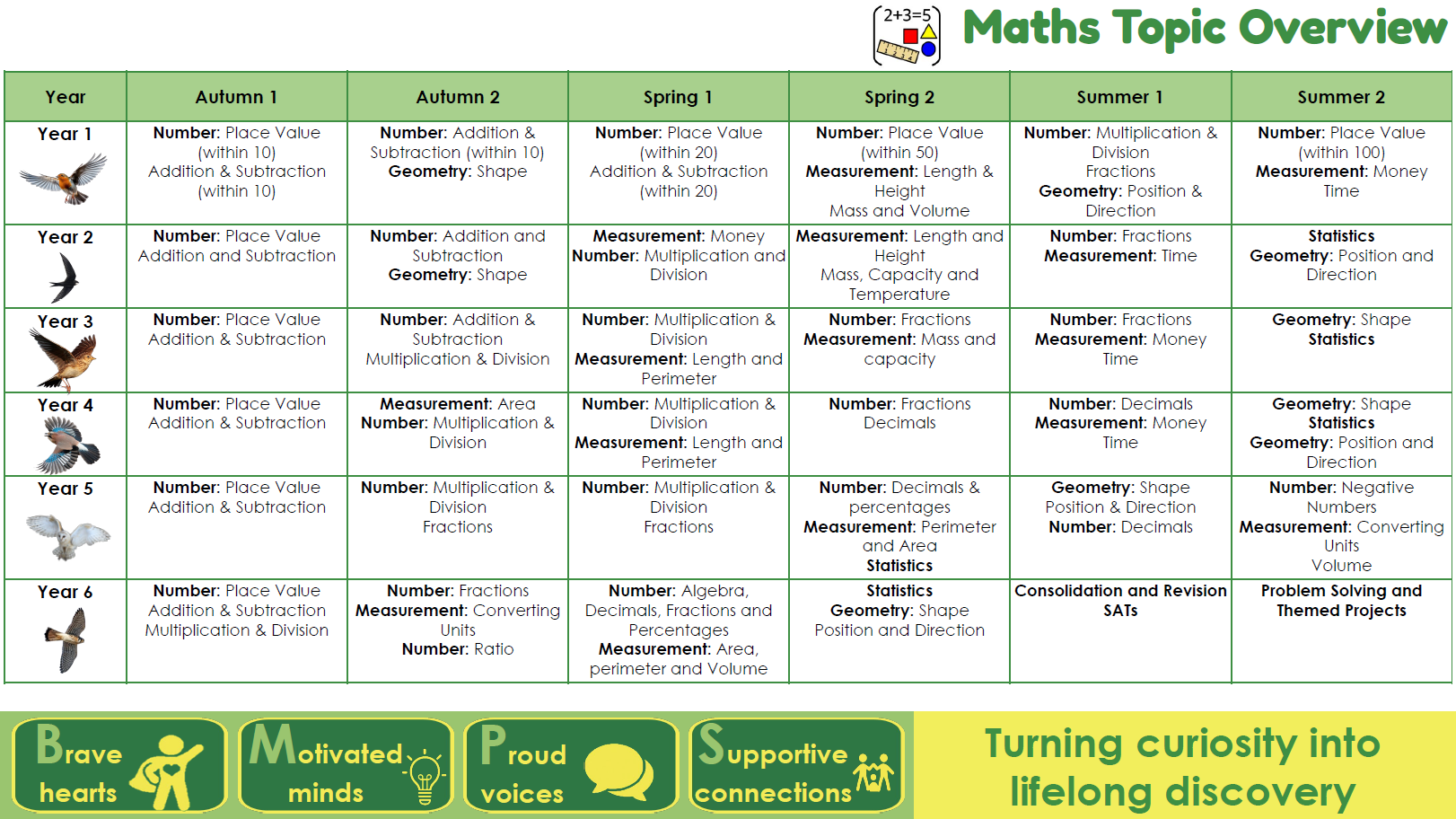
We have also developed a Progression of Skills document for our school. This clearly shows how skills and knowledge are built upon as they progress through Key Stages 1 and 2.
 Curriculum Implementation:
Our school has adopted the 'Teaching for Mastery' approach in Maths. We believe this gives children the best possible opportunity to reach their full potential in Maths!
What is teaching for Mastery...
A range of elements of classroom practice and school organisation that combine to give pupils the best chances of mastering mathematics.
Mastering maths means acquiring a deep, long-term, secure and adaptable understanding of the subject. At any one point in a pupil’s journey through school, achieving mastery is taken to mean acquiring a solid enough understanding of the maths that’s been taught to enable him/her to move on to more advanced material.
NCETM (ncetm.org.uk)
During a child’s time in the Foundation Stage (Nursery and Reception), they will develop awareness of maths in the world around them. This includes learning about numbers and shapes and the language of mathematics.
Our whole-class approach, ensures all children are provided with an opportunity to demonstrate their knowledge and understanding of new skills. During open-ended activities or investigative work, differentiation is by outcome or through responses to varied questioning.
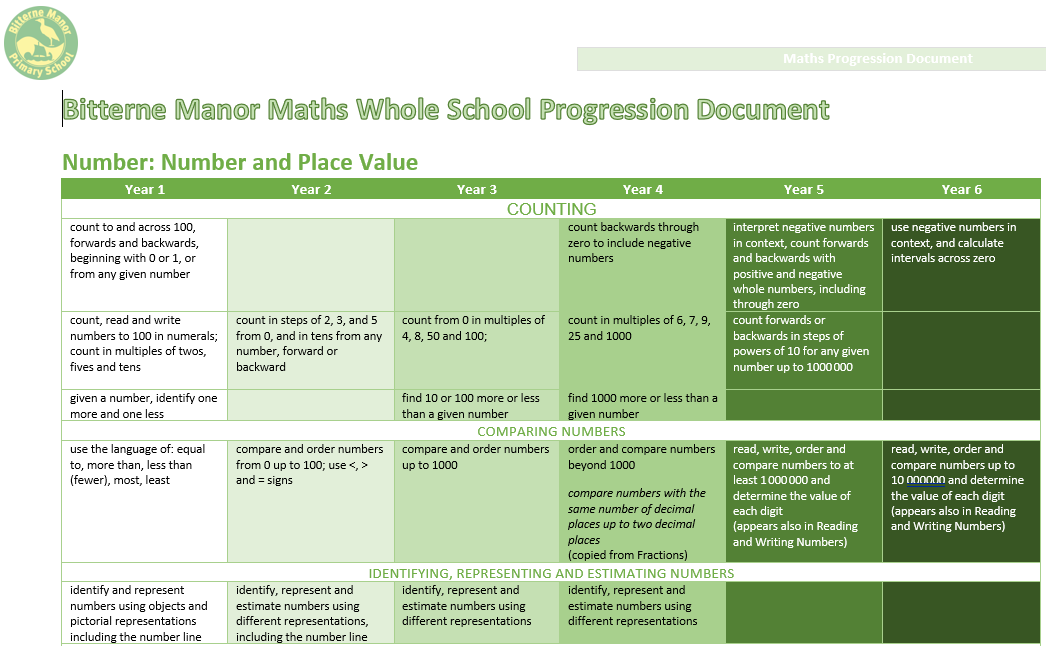
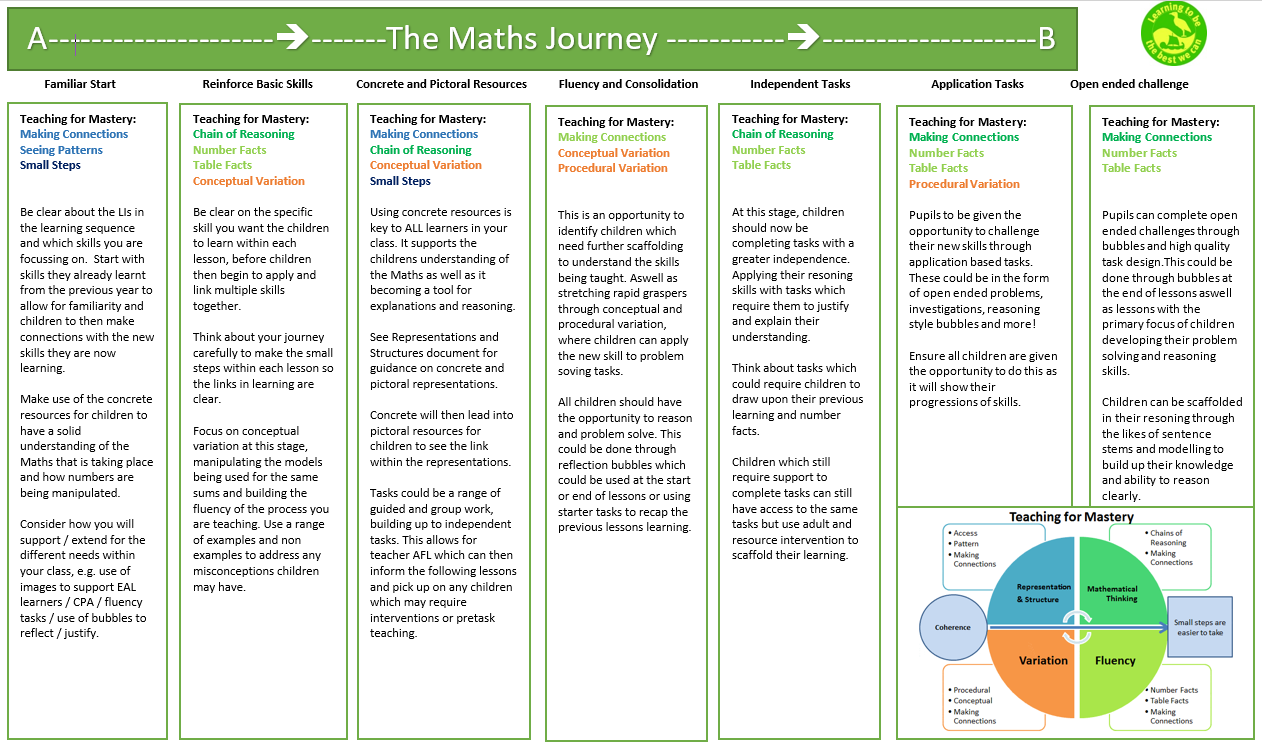
A clear sequence of learning is mapped out through our A2B teaching document. This sequence integrates the key ideas of teaching for mastery, making links and building upon children's prior knowledge. We plan for lots of opportunities for active learning. This includes encouraging the children to verbalise what they are doing and why, tackling a range of tasks involving practical investigations and problem-solving, applying their knowledge and skills to tasks within mathematics and other curriculum areas. Teachers’ expectations are high and matched to the ability and experience of individual children.
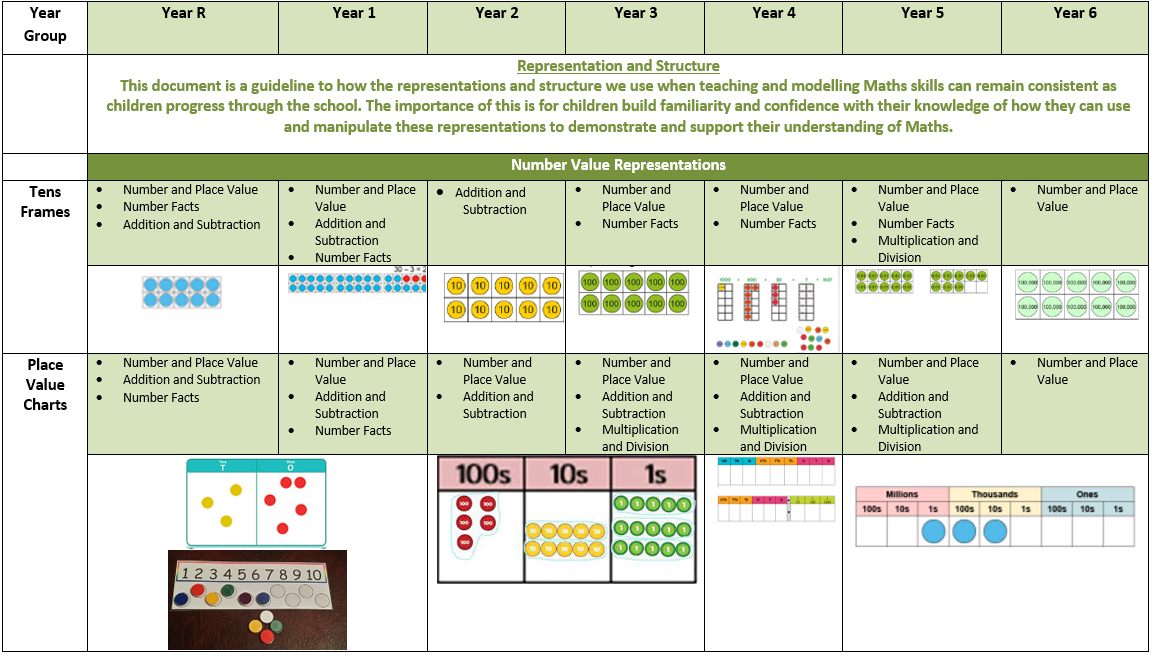
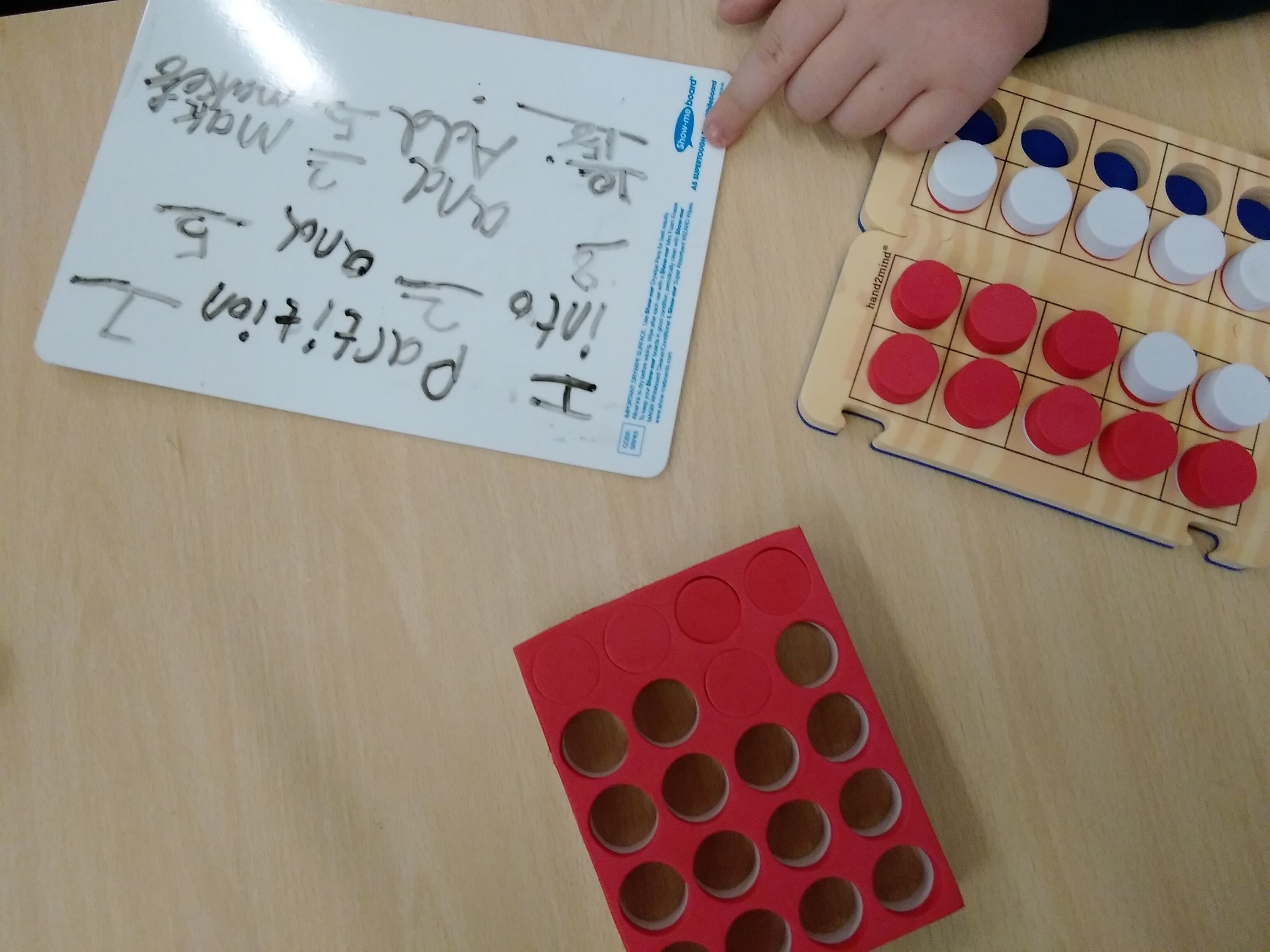
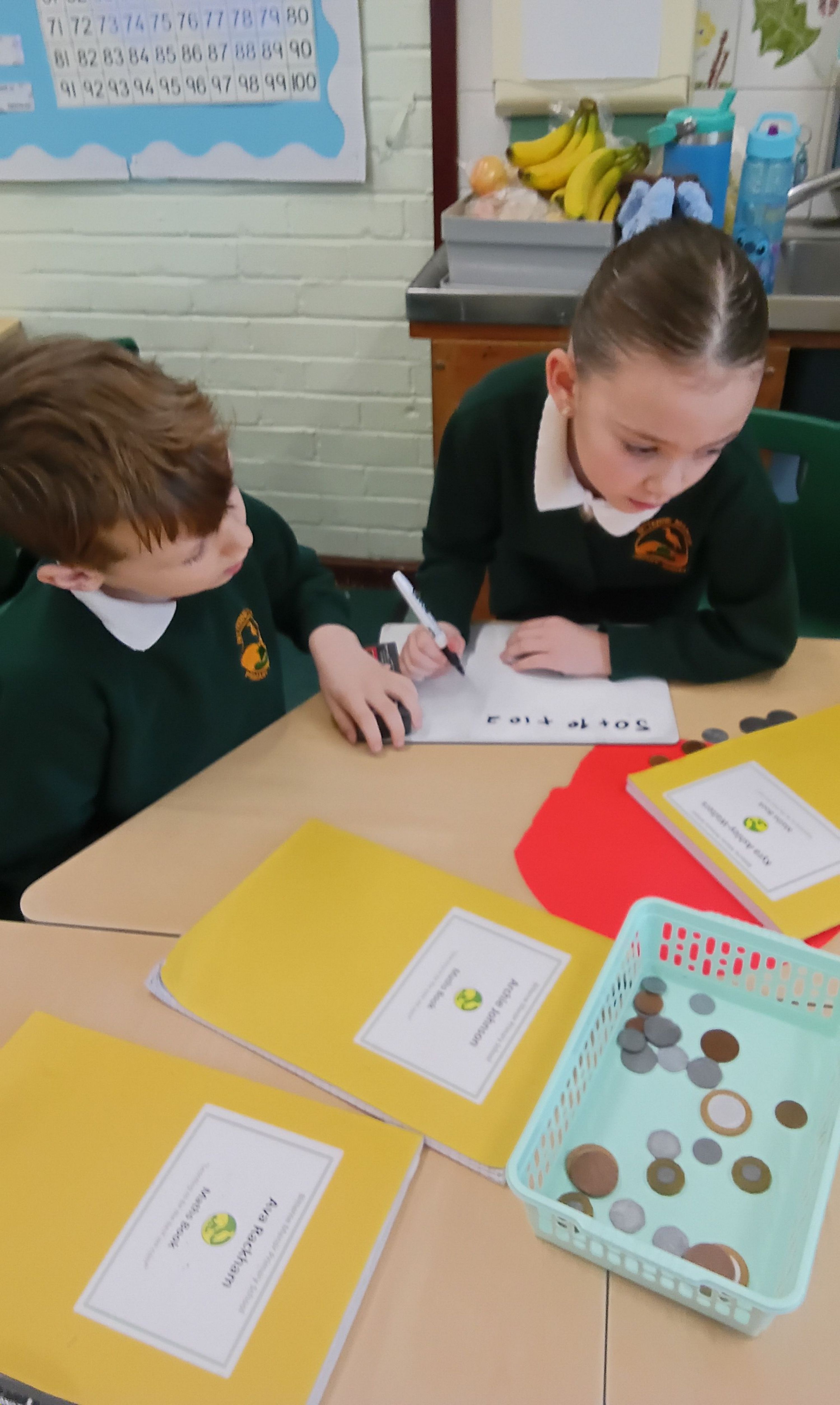
The CPA approach (concrete, pictorial and abstract) bridges the gap between using concrete resources to understanding mathematical concepts. Using clear representations and structures is one of the key elements of teaching for mastery. It helps expose the mathematical structures within maths, as well as allowing the children to make connections and see links across different areas of Maths.
Our 'Representations and Structures' progression document ensures strong and appropriate structures are being used within our teaching, allowing children to gain a secure understanding of new mathematical concepts. Progression of these representations through the year groups, provides familiarity and consistency for the children, providing them with confidence and understanding of how to manipulate these structures to support their learning.
 Curriculum Impact:
Children's work is assessed continuously in line with National Curriculum requirements and the school's assessment policy. Observational and written assessments are made as an integral part of the child's work. Assessment for learning is carried out during lessons, throughout each unit of work, which is used to inform future planning; helping children know their next steps in their learning.
End of Key Stage attainment is reported to parents along with the child's annual report. Pupils' attainment in mathematics is recorded by the class teacher each term, to track individual progress. During parent's evening, the parents are informed of the children’s next steps in learning.
Pupils at our school respond positively to the full range of tasks, and are able to tackle real life problems and undertake investigations appropriate to their age, ability and previous attainment. Pupils say that maths is fun and that they enjoy learning.
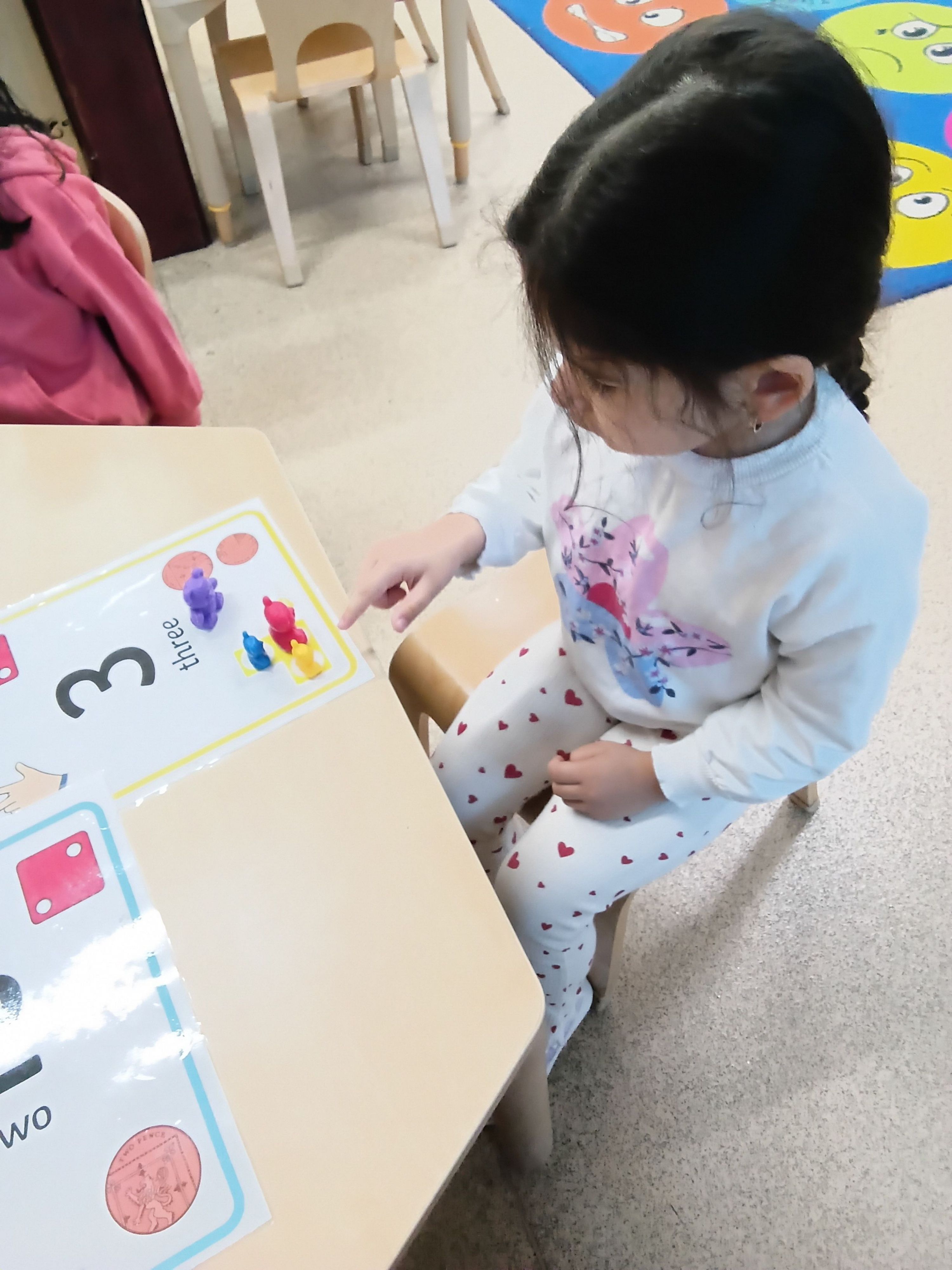
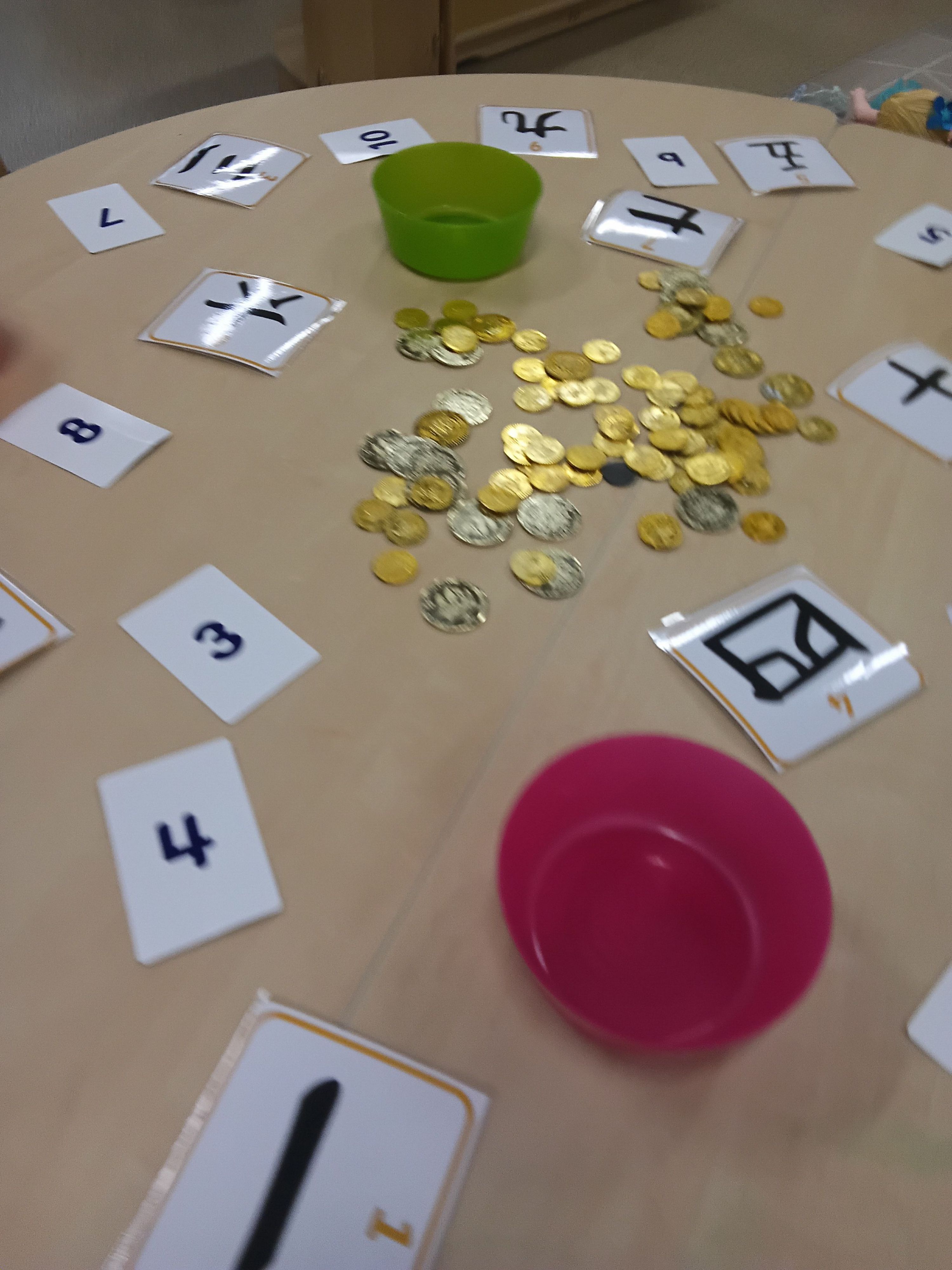
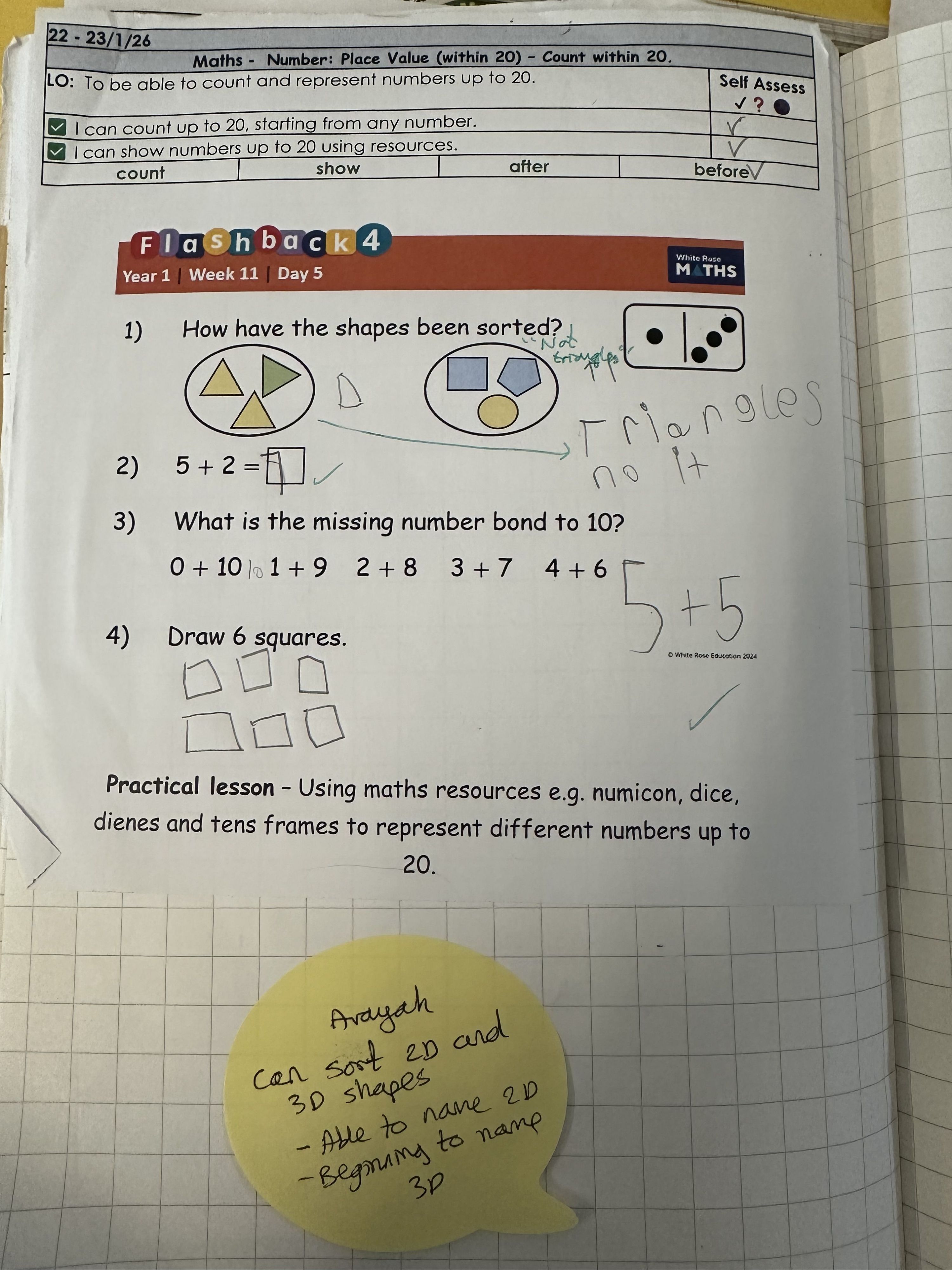
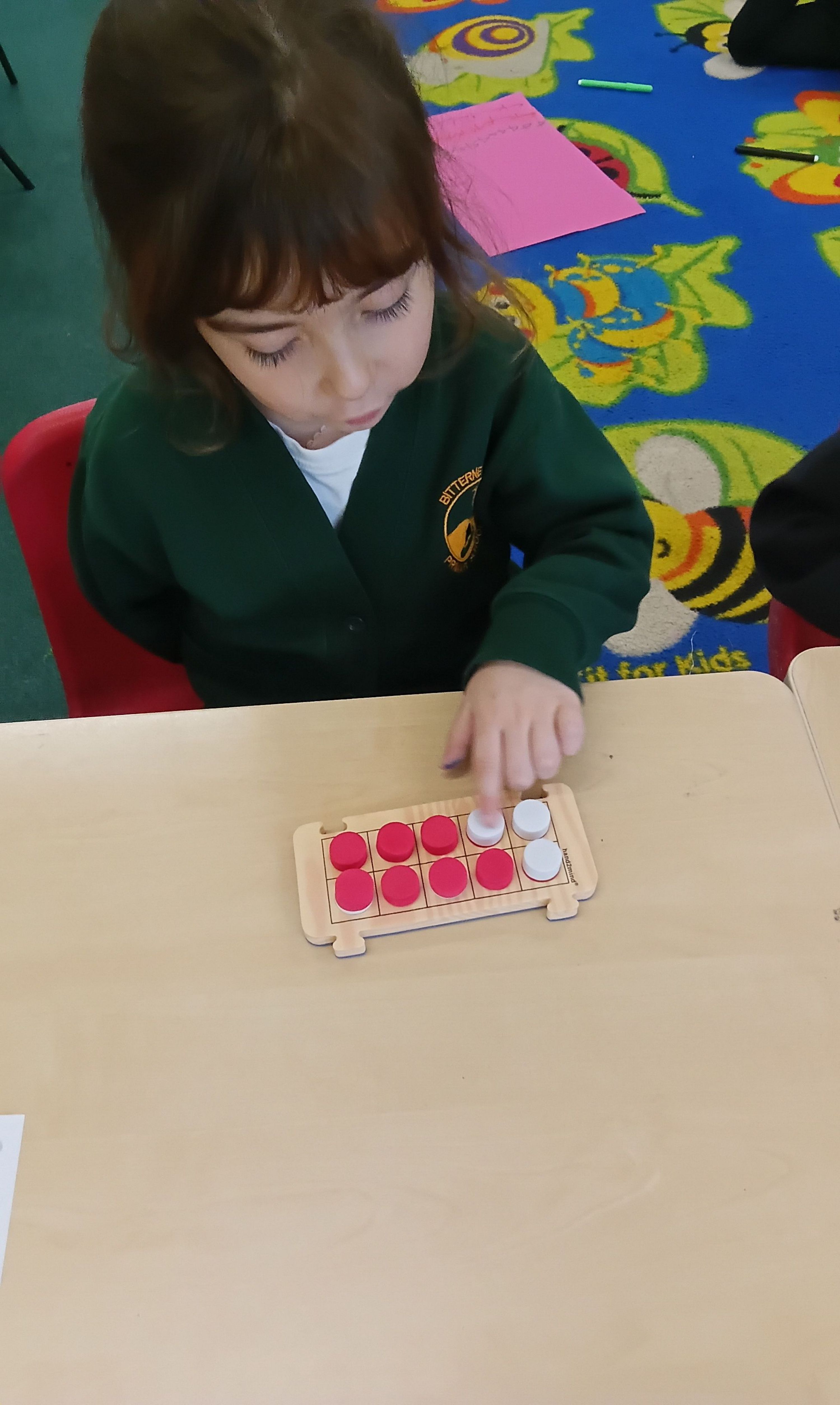
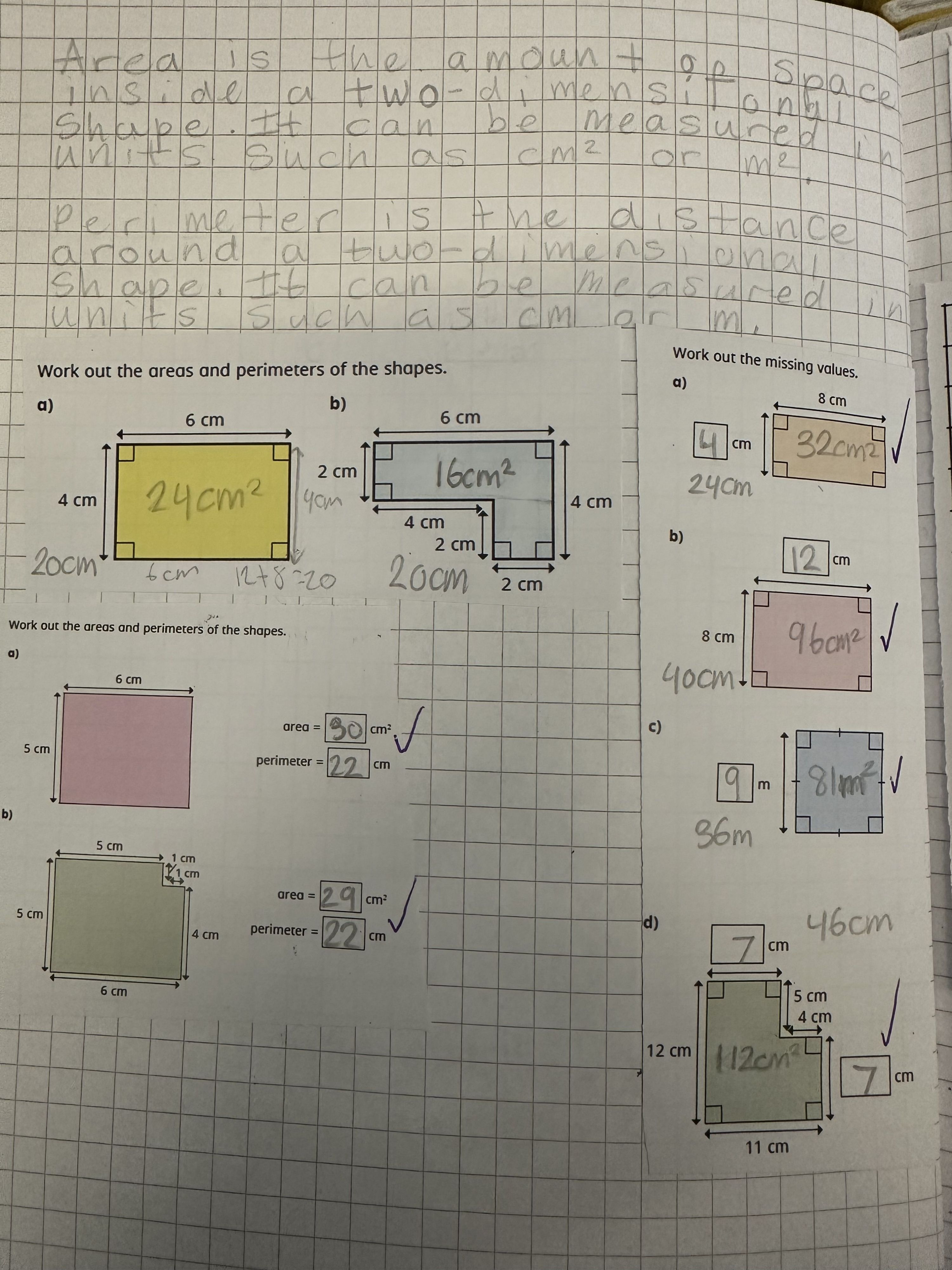
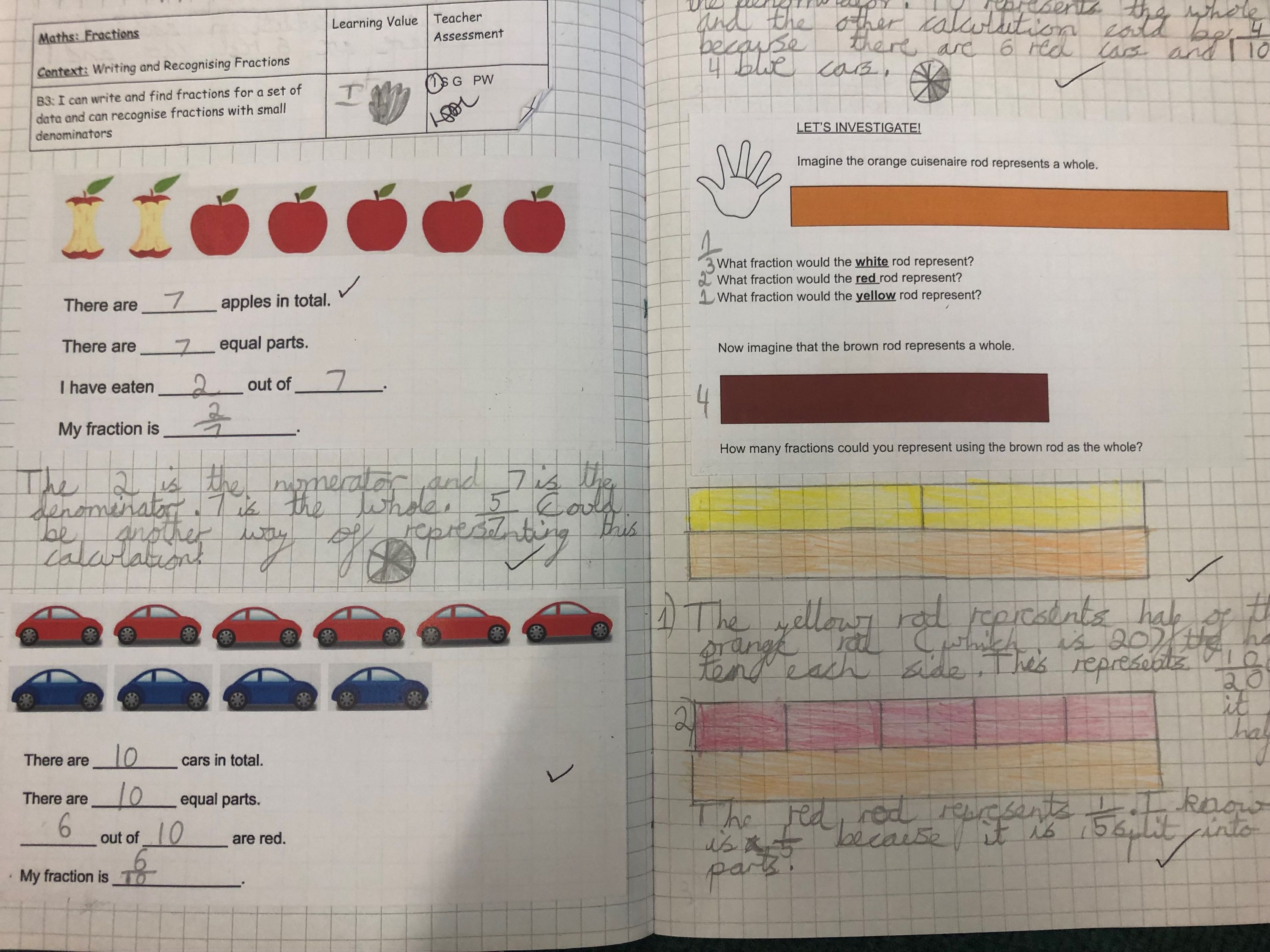
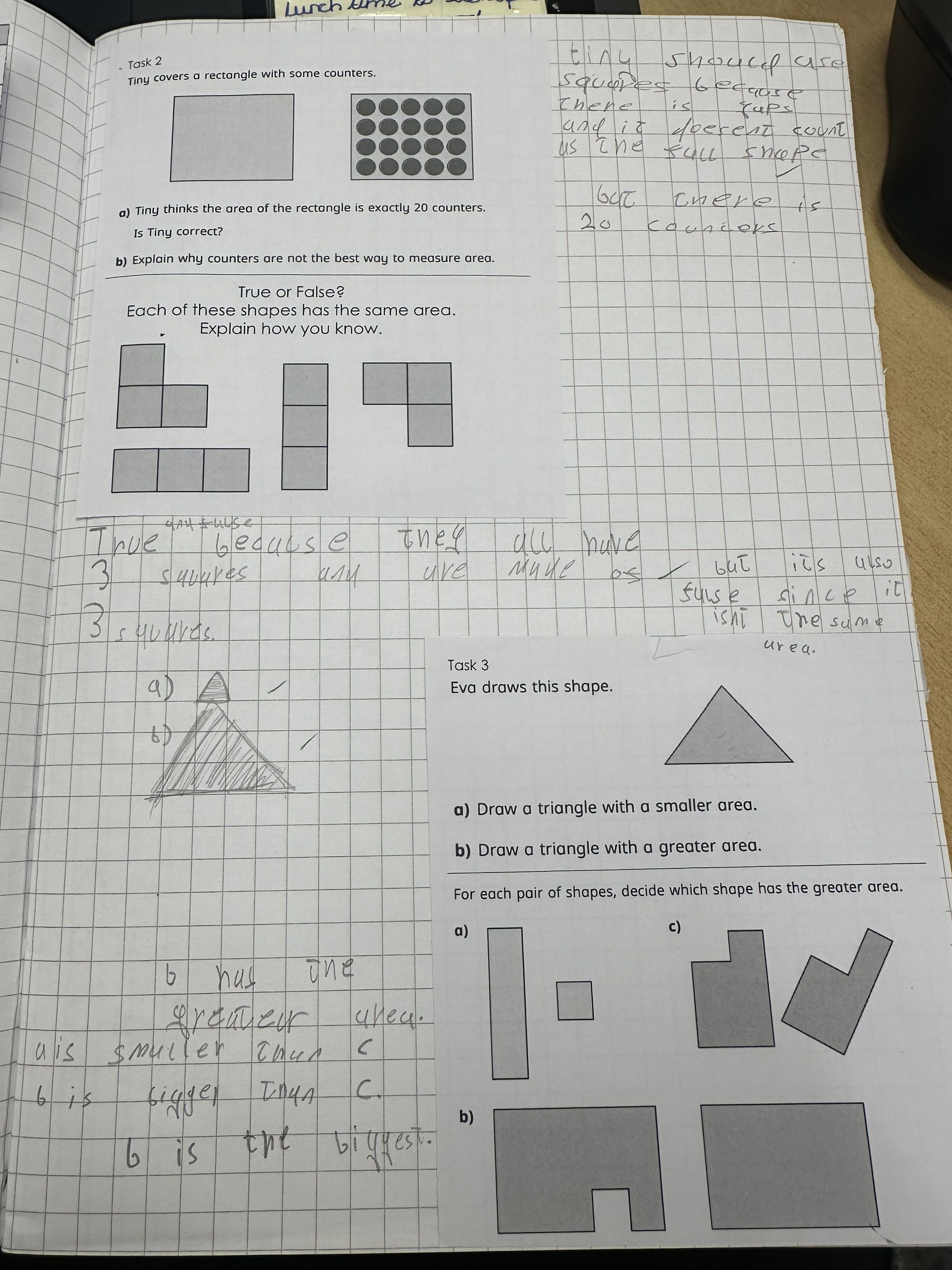
Have a look at our work...
Further Information
Learning Environment
We aim to make our environment purposeful and engaging for the children. Learning walls change depending on the topic being taught, to provide the children with key vocabulary and learning aims which will support their learning. Number lines, times tables and place value grids are used to deepen children's understanding of number and place value, being interactive tools for children to engage with and solve problems.


 Times Table Rock Stars!
TTRS is a programme which supports children with learning their times tables. All children have a login for their own account. If you require your child's login, please ask the school office or their class teacher.
This programme is fantastic at allowing children to progress at their own level, as well as making it fun and competitive, by earning coins and competing against other classes and their peers.