Bitterne Manor Primary & Nursery School
Phonics & Reading
 Curriculum Intent
At Bitterne Manor Primary School, we aim to develop confident, fluent and enthusiastic readers who can access the full curriculum and enjoy a lifelong love of reading. Our reading curriculum is designed to develop comprehension, vocabulary, and critical thinking, ensuring children can read with understanding and express their ideas clearly.
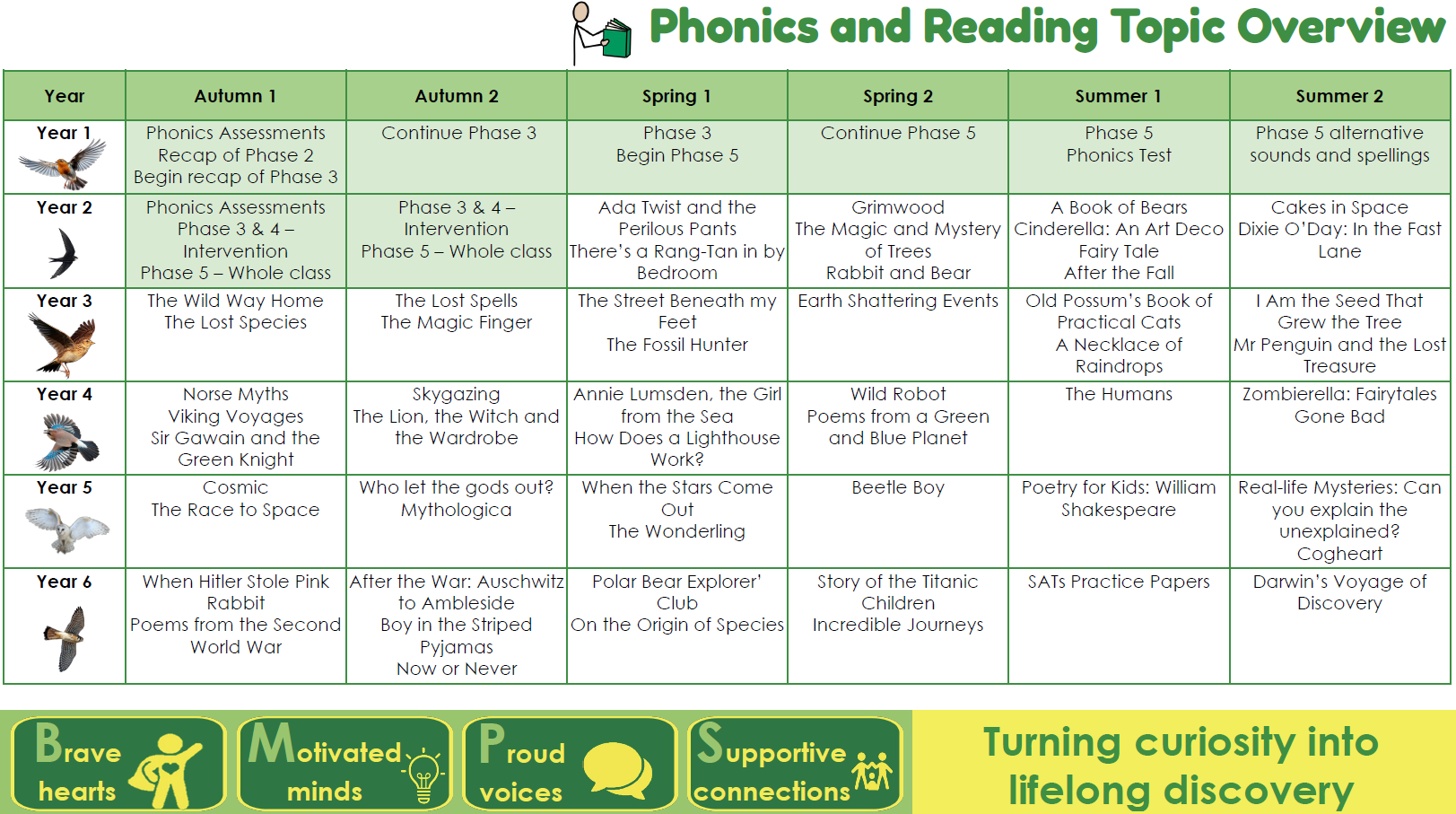
Reading is taught through Guided Reading using Literacy Tree, which provides a structured, book-based approach. High-quality texts are carefully selected to engage pupils and build their reading skills progressively across fiction, non-fiction, and poetry. Pupils are encouraged to explore, discuss, and analyse texts, applying their learning in speaking, writing, and other curriculum areas.
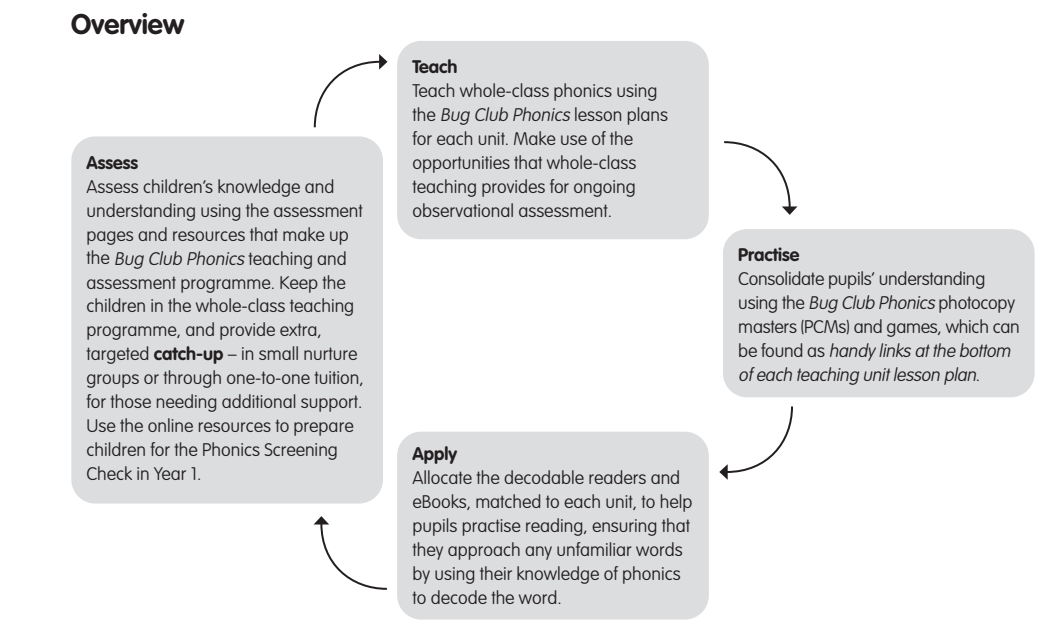
Phonics is taught systematically through Bugclub, enabling pupils to decode words confidently, develop fluency, and access independent reading. This strong foundation in phonics supports spelling development, which is further reinforced using No-Nonsense Spelling as pupils progress through Key Stage 1 and 2.
Our approach ensures that children make sustained progress in reading and phonics, building the knowledge, skills, and confidence required to become independent learners and confident communicators.
 Curriculum Implementation
Guided Reading
At Bitterne Manor Primary School, reading is taught across Key Stage 1 and 2, building on phonics knowledge and progressing into comprehension and fluency.
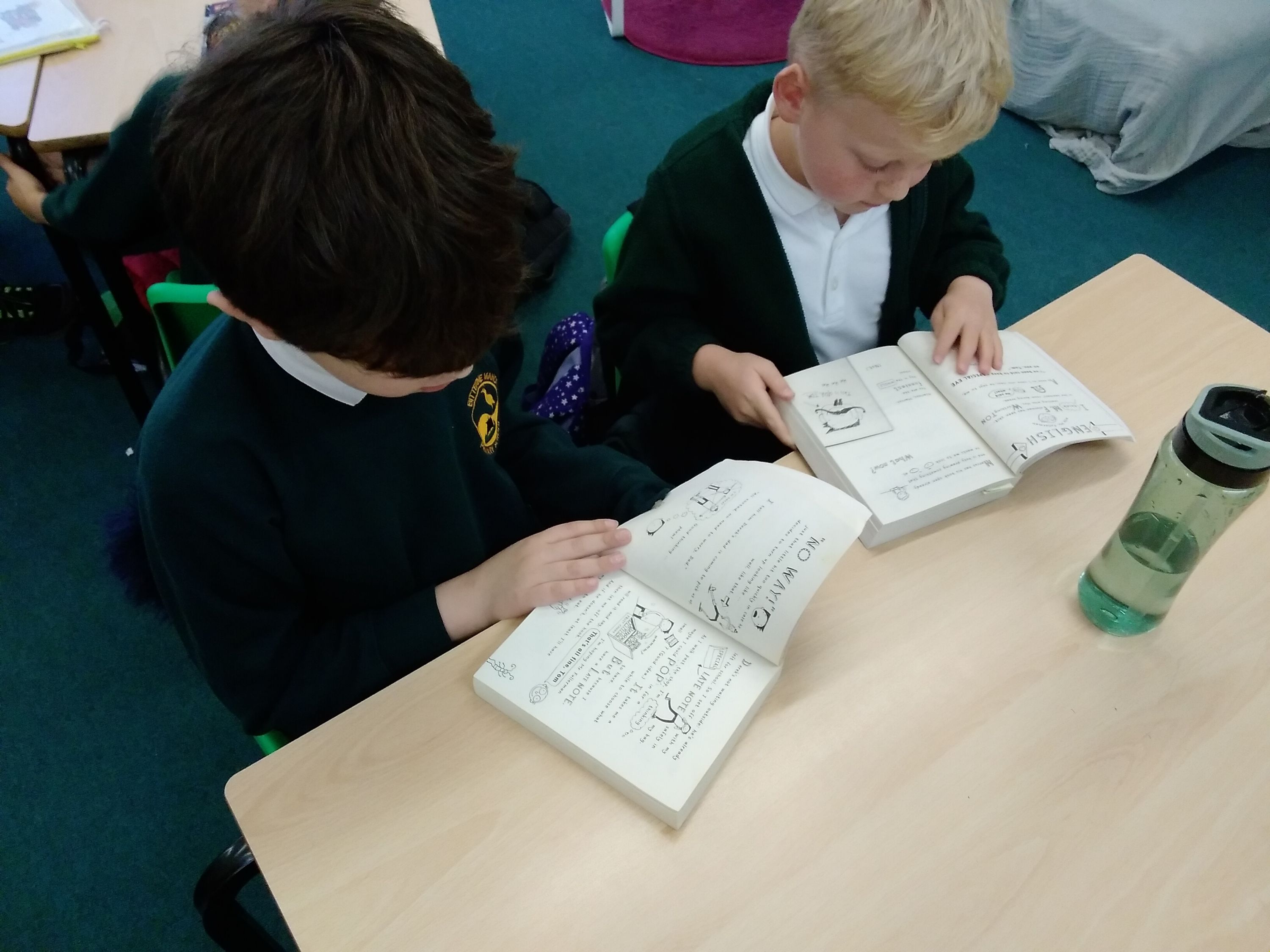
We use Literacy Tree to structure Guided Reading les sons, immersing pupils in high-quality texts across fiction, non-fiction, and poetry. Lessons develop key skills including decoding, vocabulary, inference, and understanding. In Key Stage 2, pupils also read independently during ERIC time, enjoy class texts, and participate in guided reading with an adult.
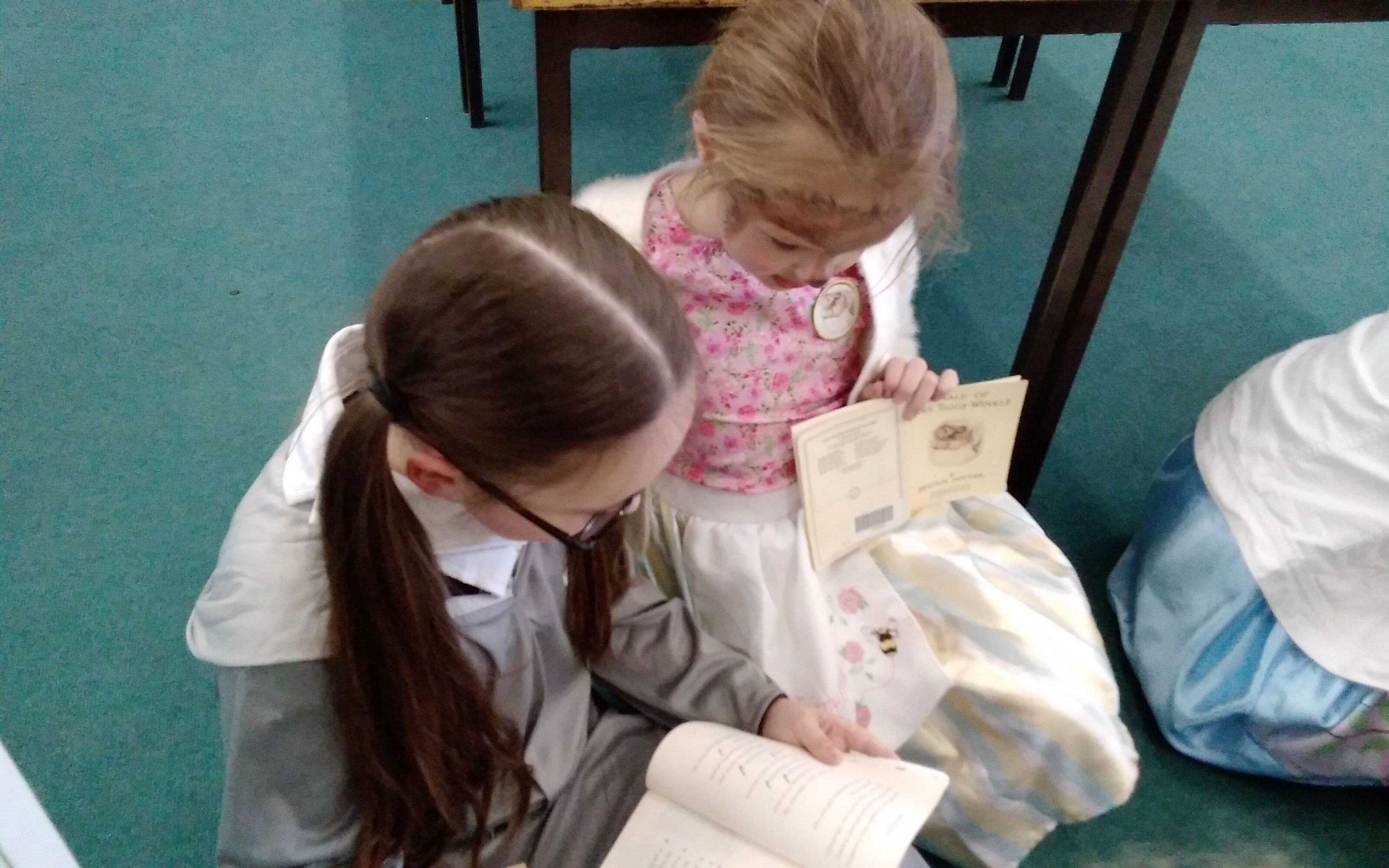
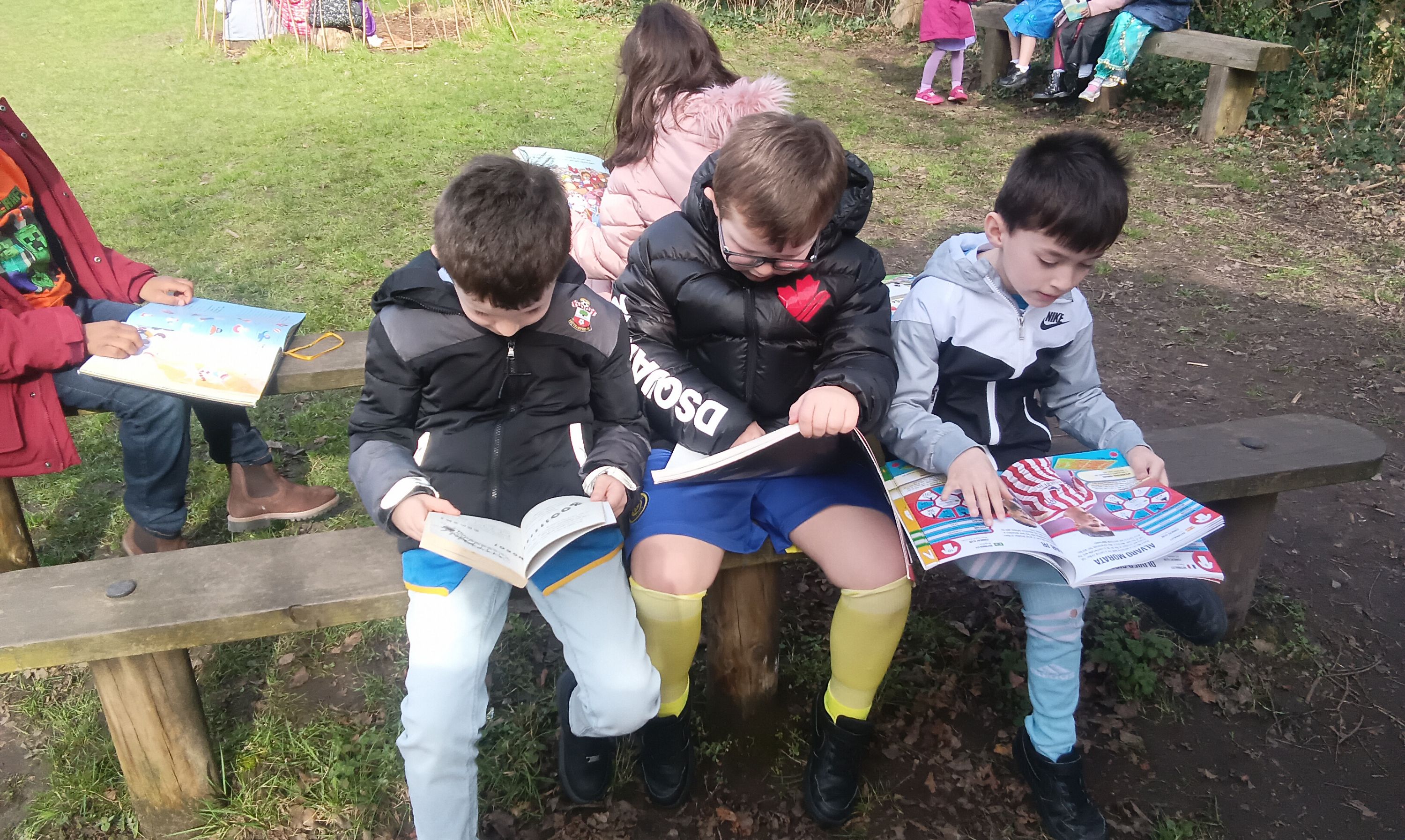
Children are encouraged to enjoy reading at home and school. Reading diaries support communication with parents, and access to the library and classroom book corners promotes discussion, choice, and a lifelong love of books.
 Phonics
We teach children to decode words using phonic skills as our sole approach. “Synthetic Phonics' is taught using the 'Bugclub' Phonics programme. Bug Club Phonics is the dedicated phonics strand of Bug Club, a core reading programme that can be used for independent and guided reading from Reception to Year 6. Together, Bug Club Phonics and Bug Club provide a structured way to teach children to read in Reception and Key Stage 1.
Bug Club Phonics teaches a new grapheme and related phoneme, or alternative spellings to previously-taught phonemes, in every Phoneme Session. This means that the basic 40+ phonemes (Units 1–12), and then the alternative spellings of these phonemes (Units 13–30), are acquired quickly, and early reading skills develop rapidly. This then enables children to apply the taught strategies and enjoy contextualised reading early on. The order of grapheme introduction (see below) ensures that children start reading and spelling a wide range of words at the earliest possible stage.
Children are introduced to phonics in our Reception Class and progress through the phases during Reception and Key Stage 1 (Year 1 & 2). Sight reading and tricky words are introduced in Phase 2. Pupils are put into groups for phonics lessons based on the phase that they are ready to access.
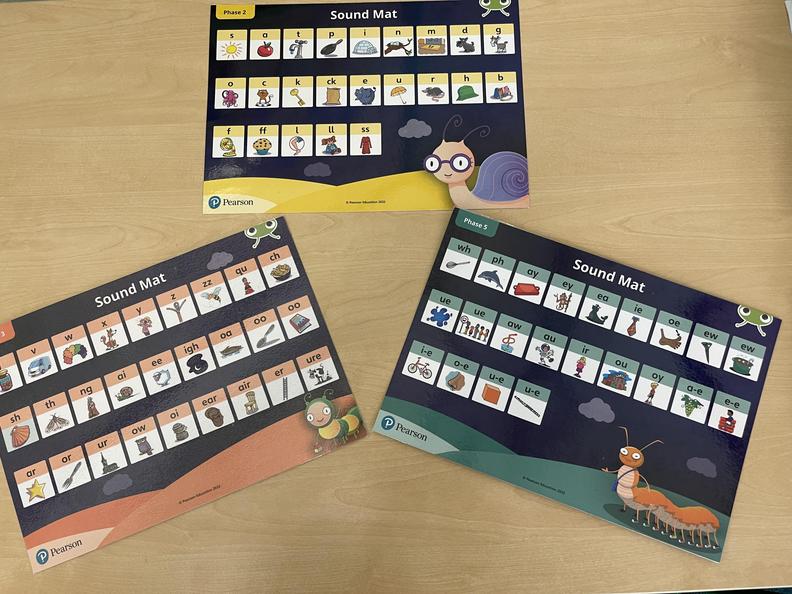 We use a wide range of teaching techniques and resources in our daily phonics lessons and aim to make lessons fun and interactive whilst building on previous knowledge each session. Phonics interventions are implemented in KS2 for those pupils who still need to access the phonics curriculum. This is a targeted intervention based on the individual need of the child. Phonics assessments continue across KS2 until staff are confident that children are secure in their phonics knowledge.
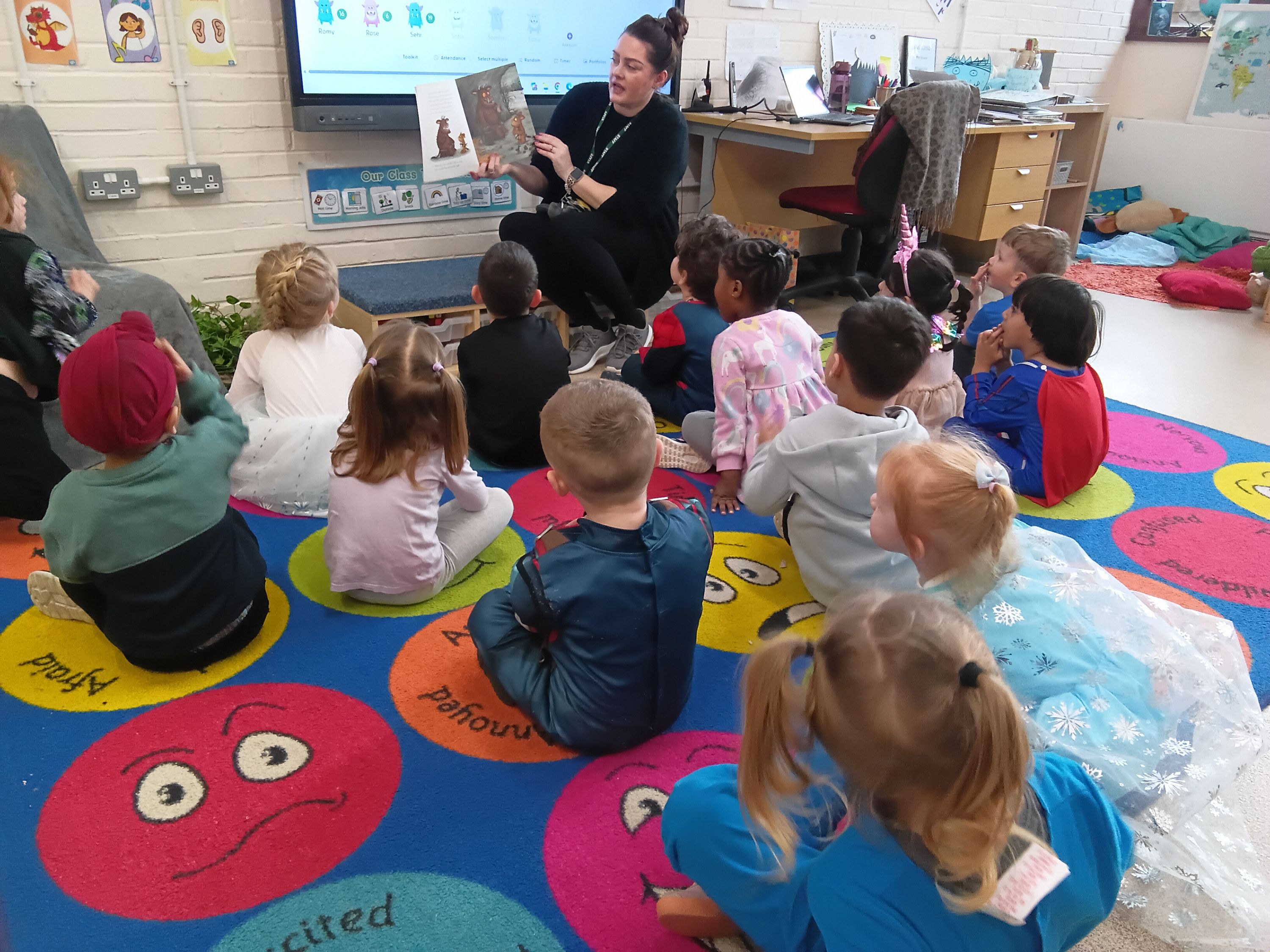
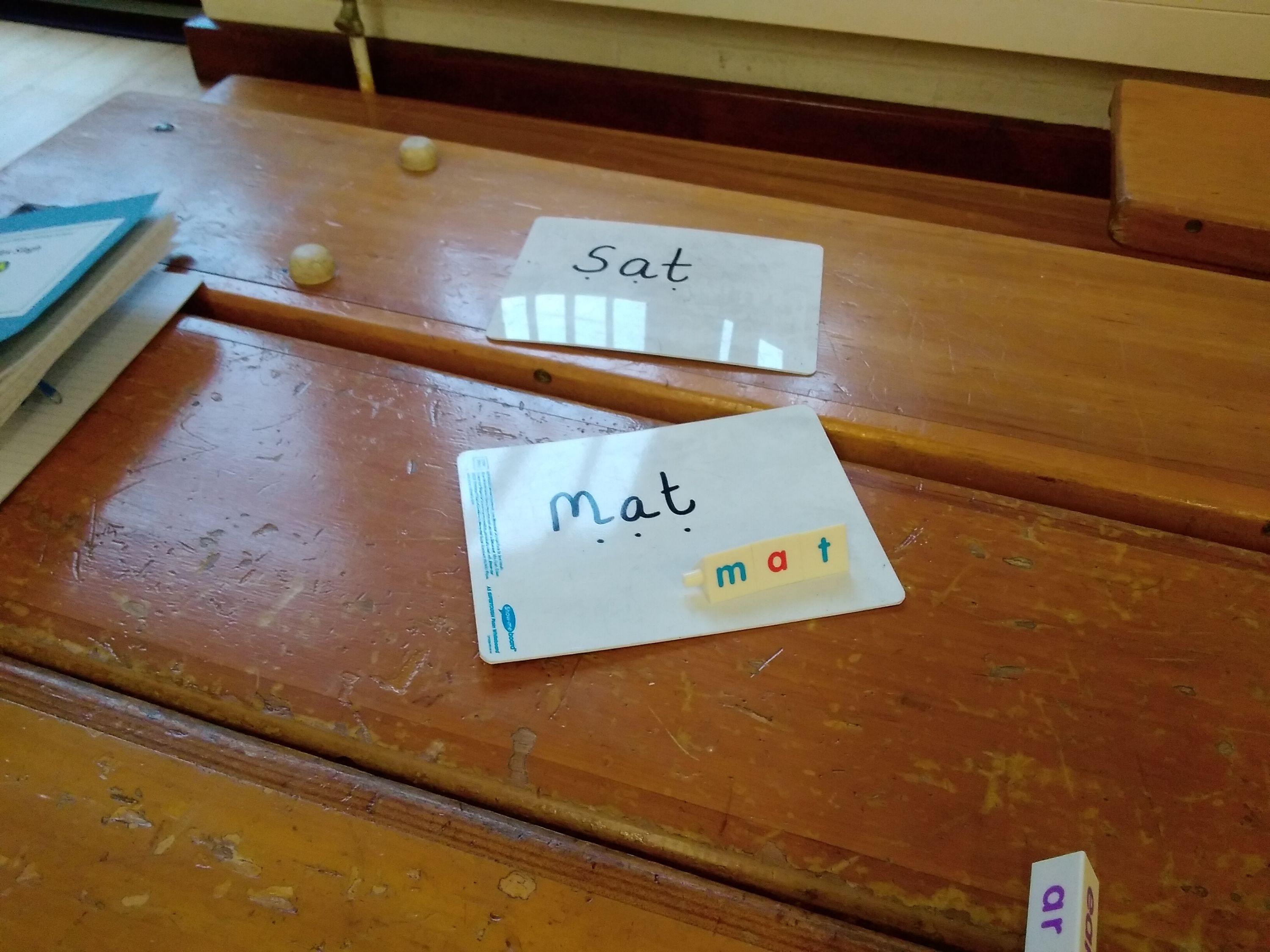
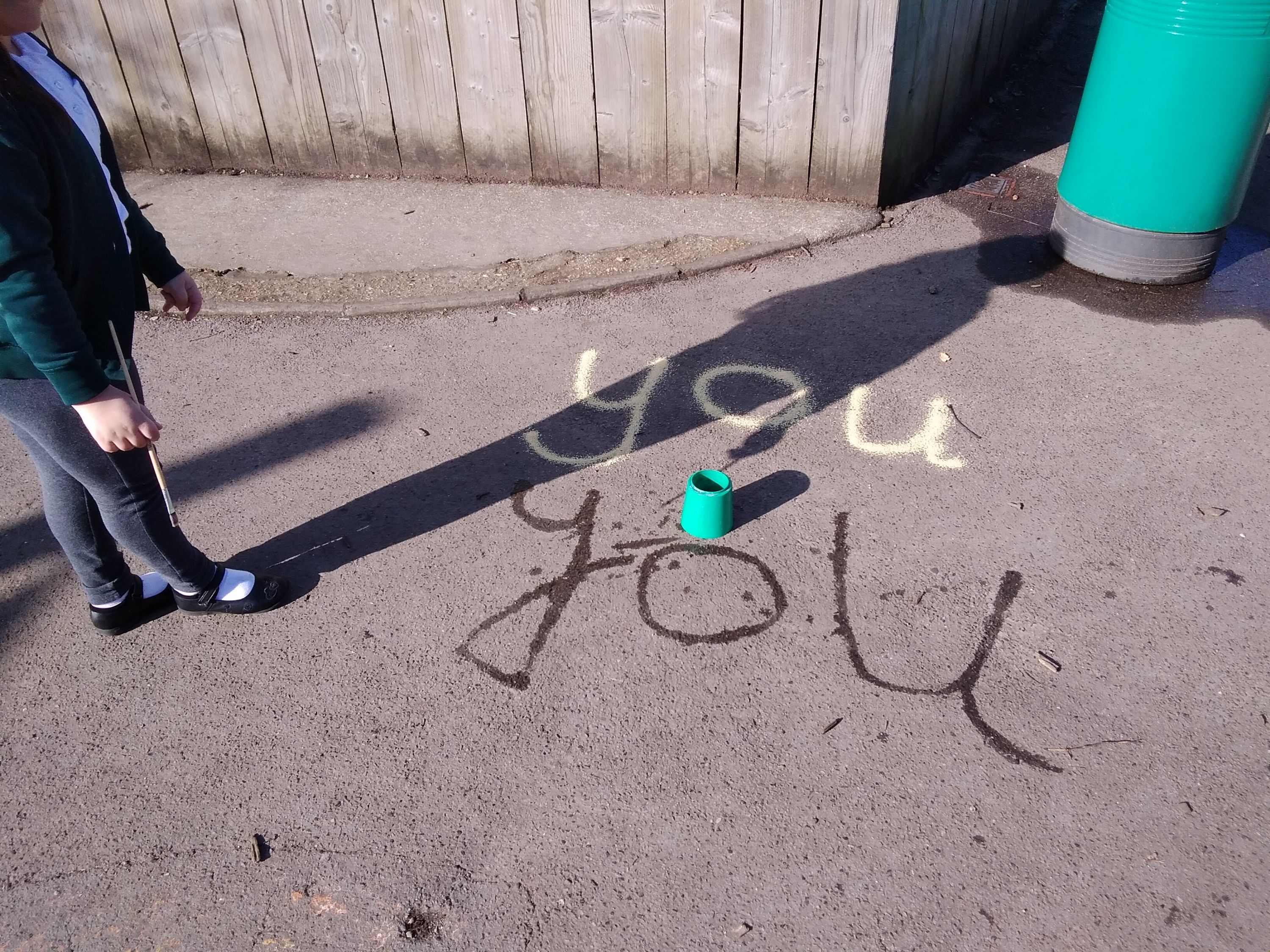
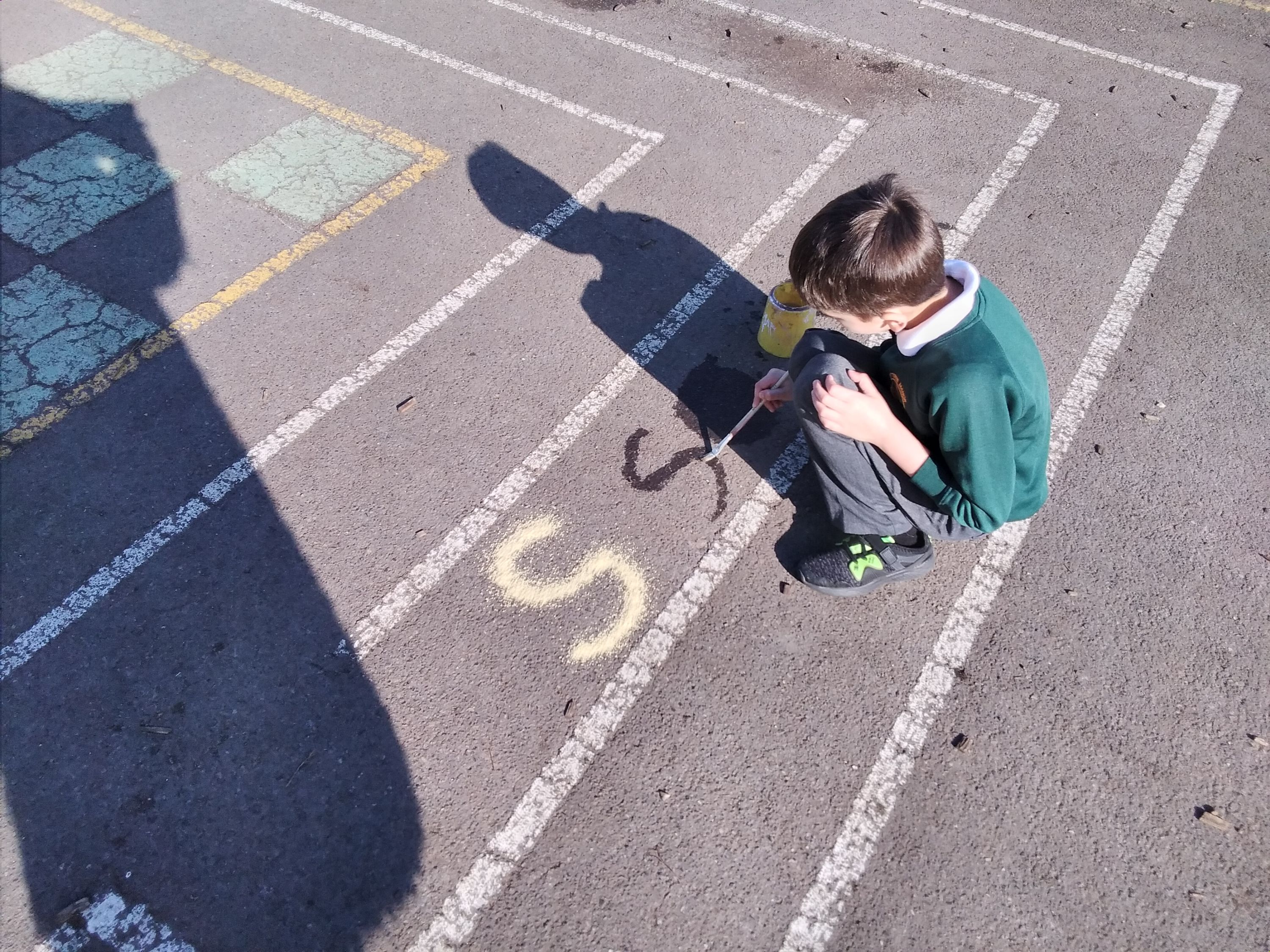
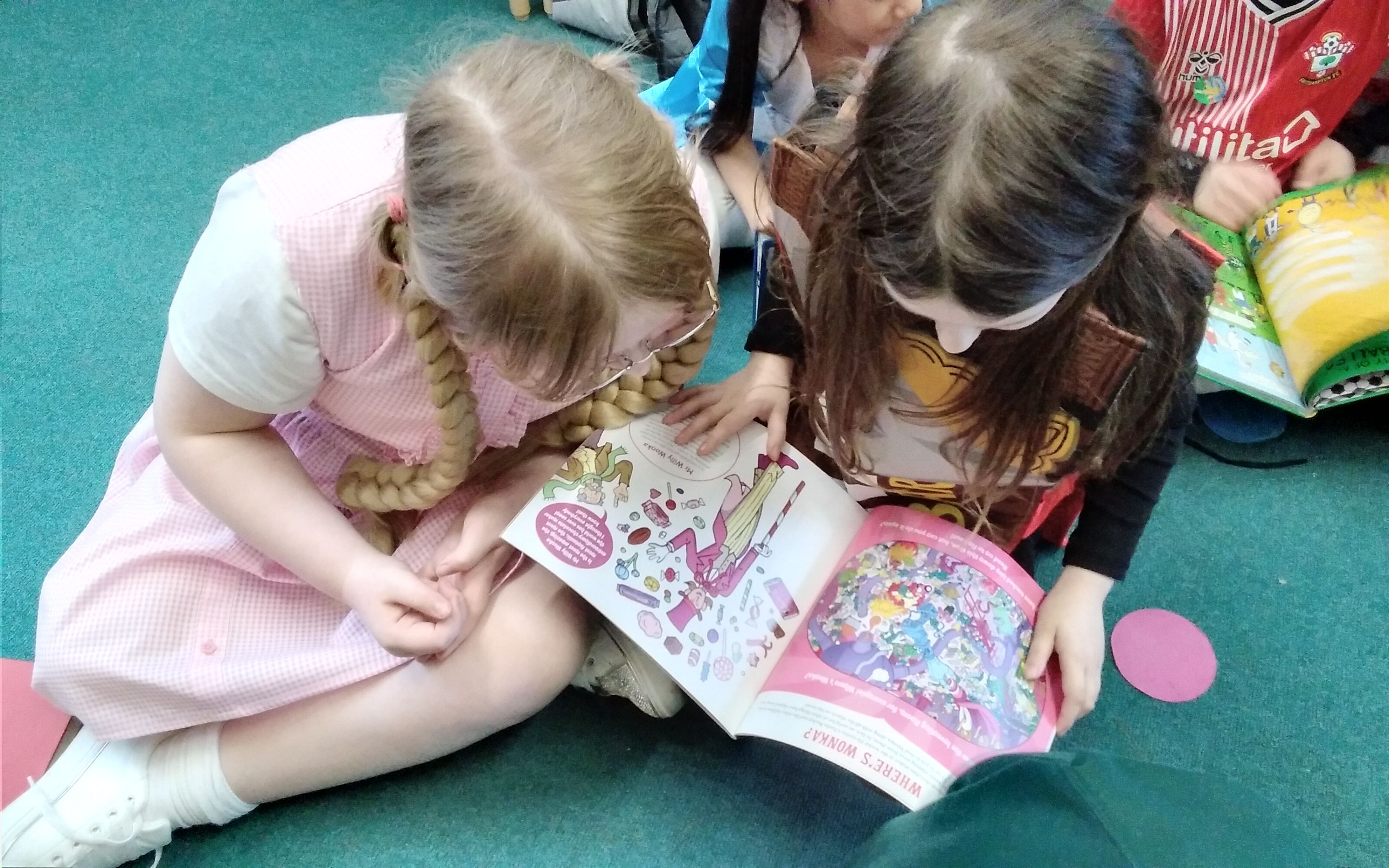
Examples of our Phonics provision


 Spelling
Once children progress from phonics, they follow a spelling scheme called 'No Nonsense' spelling. The focus of the programme is on the teaching of spelling, which embraces knowledge of spelling conventions – patterns and rules; but integral to the teaching is the opportunity to promote the learning of spellings, including statutory words, common exceptions and personal spellings.
The programme
- Delivers a manageable tool for meeting the requirements of the 2014 National Curriculum
- Has a clear progression through blocks of teaching units across the year.
- Comprehensively explains how to teach spelling effectively.
 Curriculum Impact
Through high-quality teaching of reading, phonics and spelling, we aim for all pupils to become fluent, confident readers and accurate spellers who can access learning across the curriculum and develop a lifelong love of reading.
Phonics progress is assessed regularly through Bugclub assessments and teacher observation to ensure children develop secure decoding skills. Assessment outcomes help teachers identify pupils who need additional support or intervention. As pupils move beyond phonics, spelling is developed through the No-Nonsense Spelling programme and applied within independent writing.
Reading is assessed termly through teacher assessment, guided reading and ongoing classroom practice, focusing on fluency, comprehension and engagement with texts. The English lead and senior leadership team monitor provision through work scrutiny and pupil discussions to ensure progress and consistency across the school.