Bitterne Manor Primary & Nursery School
English
 Curriculum Intent
At Bitterne Manor Primary School, we strive to provide a broad and balanced curriculum planned in accordance with the National Curriculum, which teaches all children key skills, concepts and attitudes, and develops their knowledge and understanding across all curriculum areas.
We teach key English skills through the following areas:
- Spoken language
- Transcription
- Handwriting
- Reading – phonics, word reading and comprehension
- Writing – composition, vocabulary, grammar and punctuation
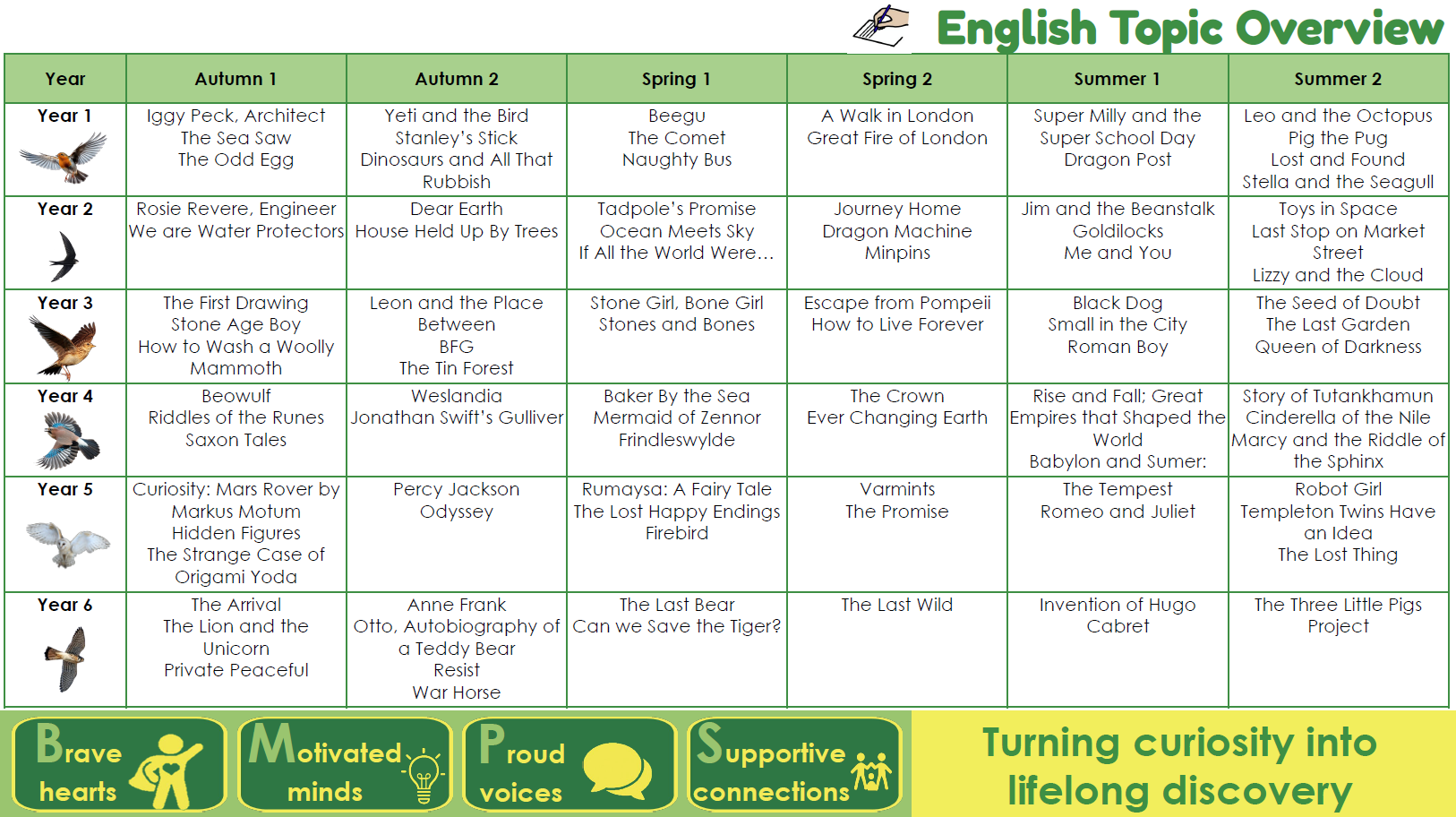
 These skills are taught through a carefully sequenced English curriculum using The Literacy Tree, a book-based approach centred around high-quality children’s literature. Each unit is rooted in a rich, engaging text which immerses pupils in meaningful contexts for reading, writing and discussion, supporting both creativity and academic progress.
Through Literacy Tree, pupils explore a wide range of fiction, non-fiction and poetry across all year groups, building progressively on previously taught skills and knowledge. High-quality texts drive learning, enabling children to develop strong reading comprehension, vocabulary, writing stamina and authorial voice.
Alongside this, key skills such as speaking and listening, spelling and handwriting are taught discretely to ensure children develop accuracy, fluency and confidence in all aspects of English.
The intent of our curriculum is to:
- Increase children’s confidence, enjoyment and ability in reading, writing and communication.
- Provide all children with depth, breadth and ambition in their learning – ensuring that our curriculum is well sequenced and building on knowledge and skills gained as children progress through school.
- Promote a love of reading and writing whereby children want to read and write spontaneously with enjoyment.
- Strive for our children to develop a passion for English to aid them in later life and to enable them to become lifelong learners.
 Curriculum Implementation

Writing
We aim to teach the skills of writing and a love of writing so that our children:
- Develop enjoyment and pleasure in writing
- Have opportunities to write for a range of real purposes and audiences
- Understand the skills and processes that are essential for writing: thinking aloud and re-reading their writing to check their meaning is clear
- When spelling, have opportunities to practise using both their phonics knowledge and develop independent spelling strategies.
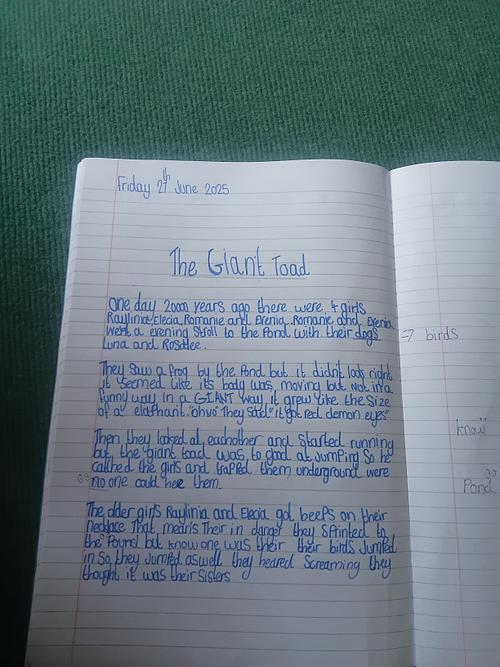
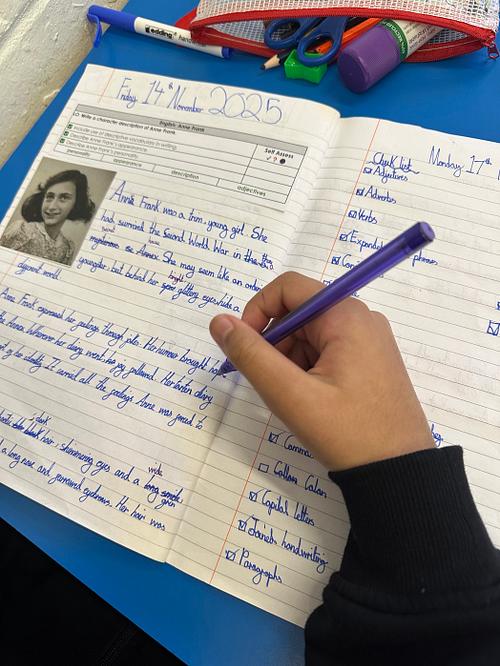
- When writing, form their letters correctly and confidently, writing with a joined fluent style
- Know and use grammar terminology to talk about their writing and how it helps a reader to understand and enjoy what they have written.
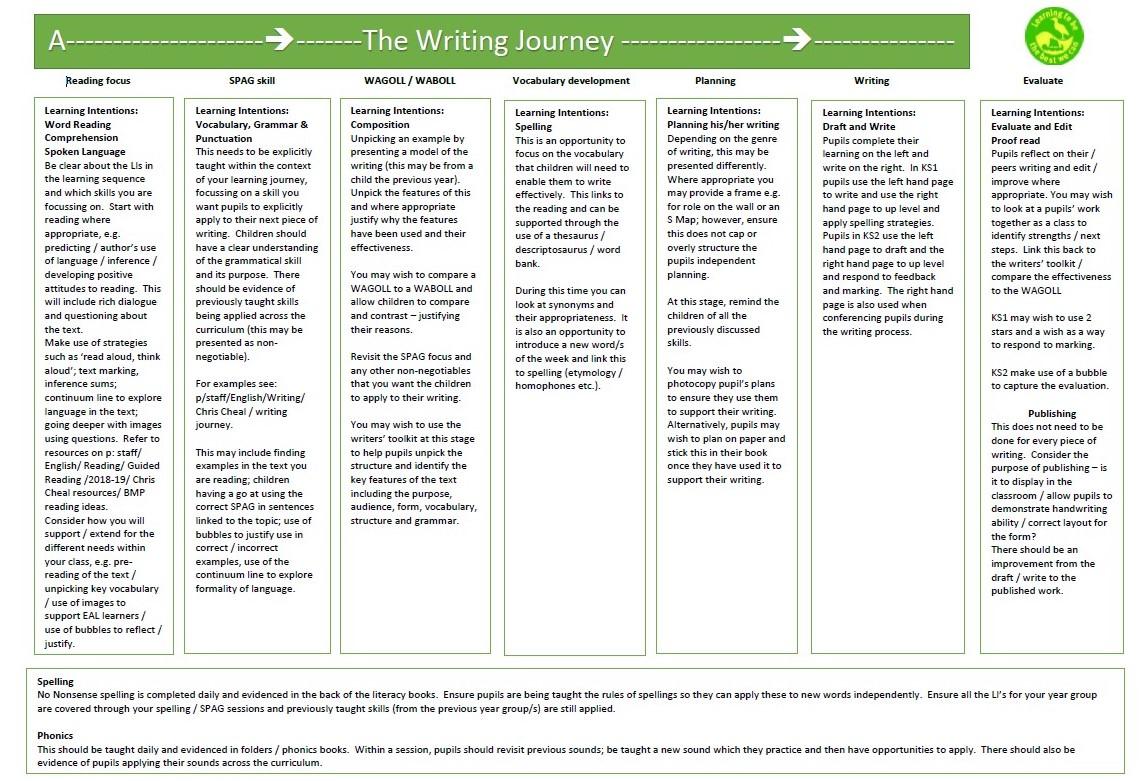
English is taught in a carefully developed sequence of learning, ensuring that a range of outcomes are covered over the course of the year. Teachers decide on the skills that they want to teach the children based on formative assessments. From this, a clear sequence of learning is mapped out using our 'A2B' document, which helps teach all aspects of writing in a clear and concise way.
 Handwriting
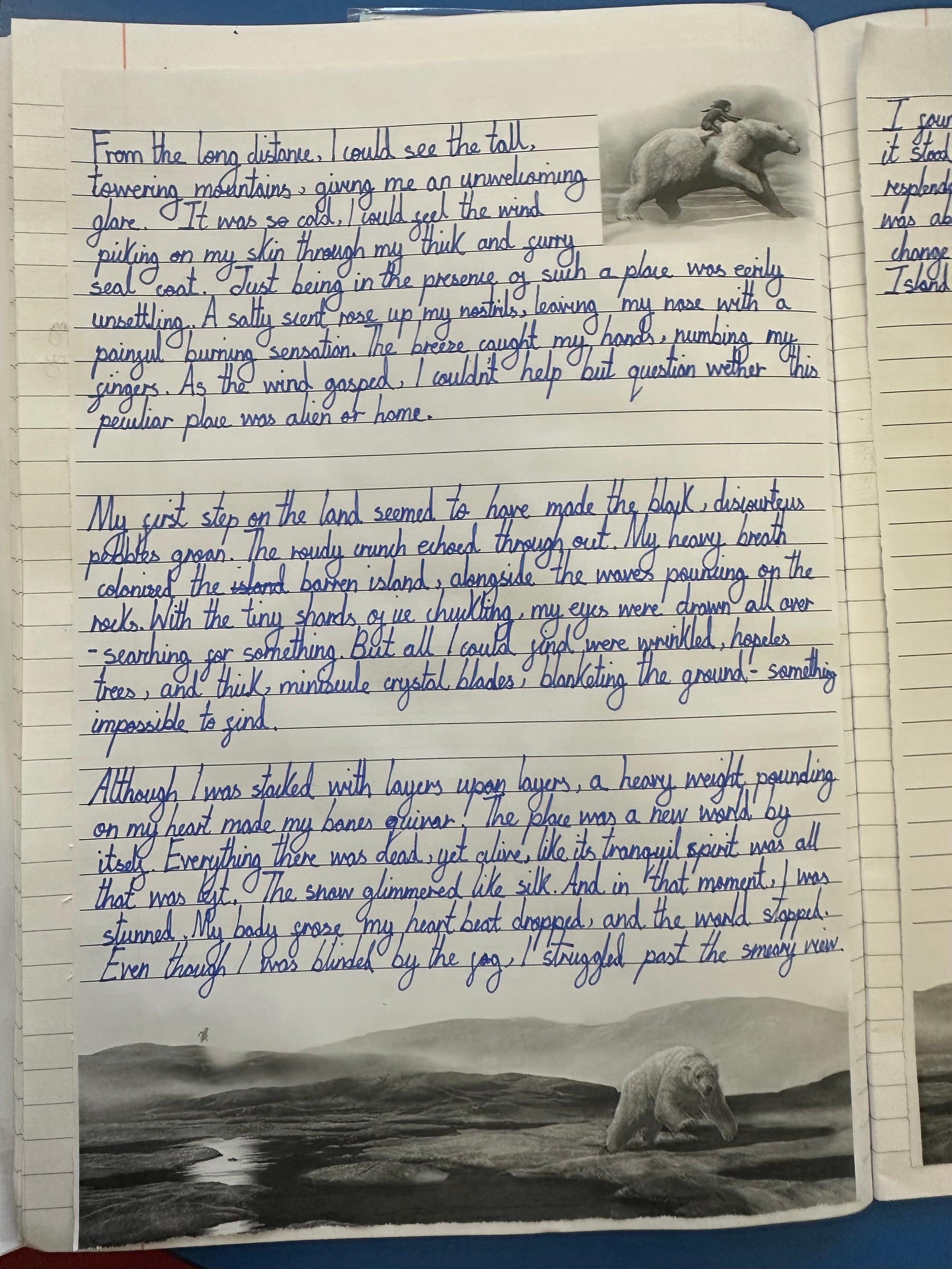
At Bitterne Manor Primary School, handwriting is taught using the Letter-join handwriting scheme. This provides a consistent and progressive approach to developing fluent, legible handwriting from the Early Years Foundation Stage through to Key Stage 2.
Handwriting is taught regularly through short, focused sessions and is reinforced across the curriculum. Teachers model correct handwriting and high expectations for presentation are promoted in all areas of learning. Handwriting practice takes place in separate handwriting books in Key Stage 1 and in the back of English books in Ke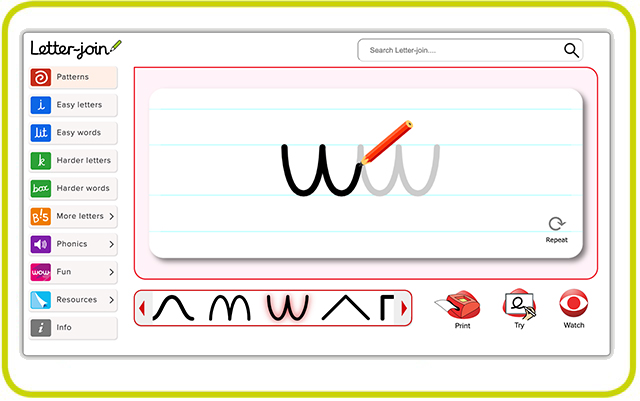 y Stage 2.
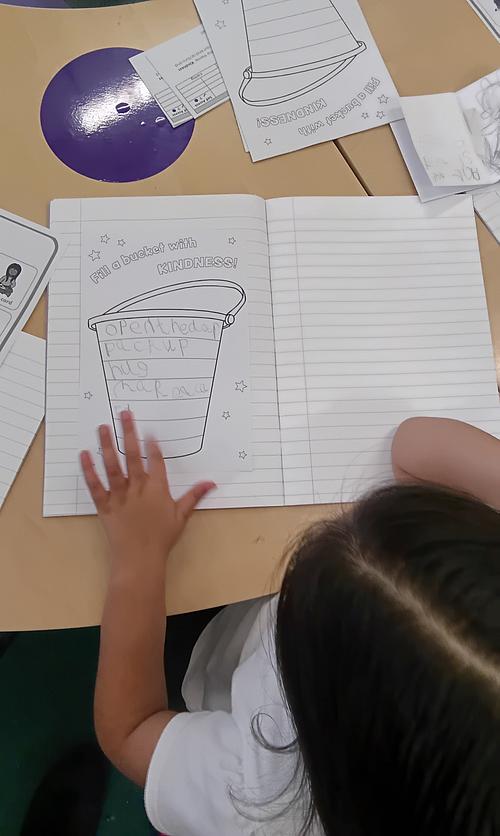
- Foundation Stage: In the Early Years Foundation Stage, the focus is on developing the physical skills needed for writing. Children practise fine motor control, correct pencil grip and posture, alongside learning accurate letter formation using Letter-join resources. Early writing habits are carefully developed so that correct formation becomes automatic.
- Key Stage 1: In Key Stage 1, pupils build on their early writing skills by securing correct letter formation and beginning to use a continuous cursive style. Children practise handwriting regularly and start to join letters when they are ready, applying these skills within their independent writing.
- Key Stage 2: In Key Stage 2, pupils develop a fluent and consistent joined handwriting style. The focus is on improving fluency, speed and presentation, ensuring handwriting is clear and well-organised across all subjects.
Children write in pencil until their handwriting is secure and consistently joined. Once achieved, they may choose to write in blue ink. Pencils continue to be used for Mathematics and for diagrams in other subjects.
 Curriculum Impact
Through high-quality teaching of writing, we aim for all children to reach or exceed age-related expectations by the end of each year. We want pupils to become confident, independent writers who can apply their skills across the curriculum.
Teachers assess writing through marking, verbal feedback, and review of independent work. When objectives are not yet met, targeted support is provided through small group interventions, 1:1 support, or additional lessons. Staff also moderate writing across year groups during CPD sessions to ensure consistency and progression.
Writing is assessed termly using pieces completed over the half-term, focusing on composition, vocabulary, grammar, punctuation, and handwriting. The English lead and senior leadership team monitor writing through work scrutinies and pupil discussions to ensure progress and confidence.
In the Early Years, writing is assessed through adult-led activities, observations, and mark-making. In Key Stages 1 and 2, assessments inform interventions to help all pupils achieve age-related expectations.
Learning Environment
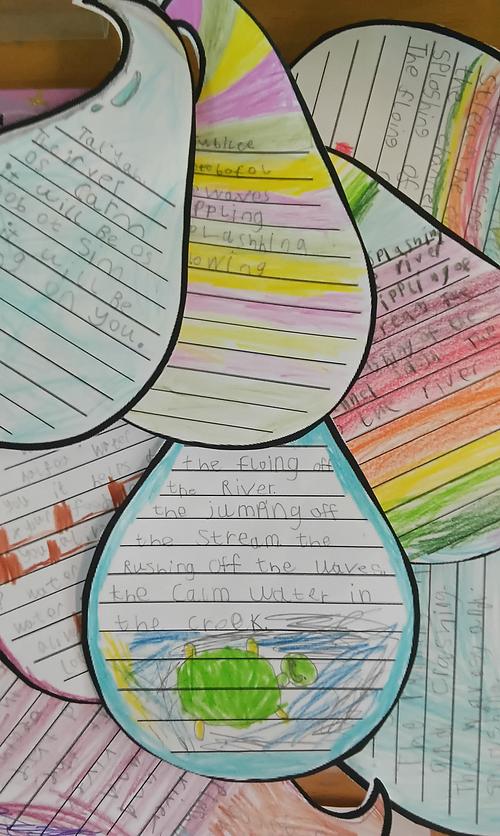
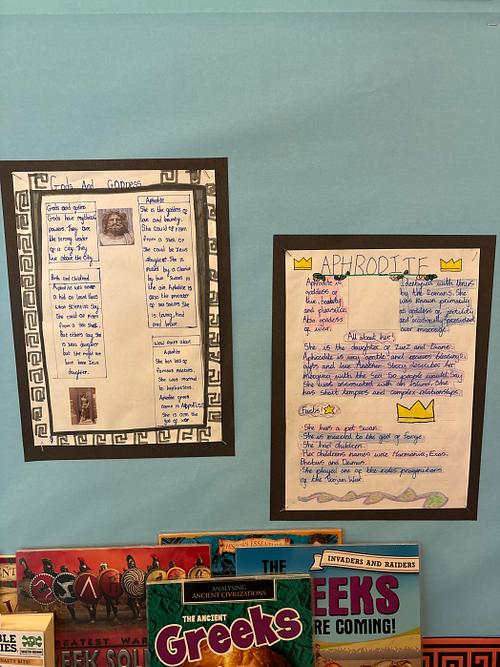
At Bitterne Manor Primary School, we aim to make our learning environment purposeful and engaging for all children.
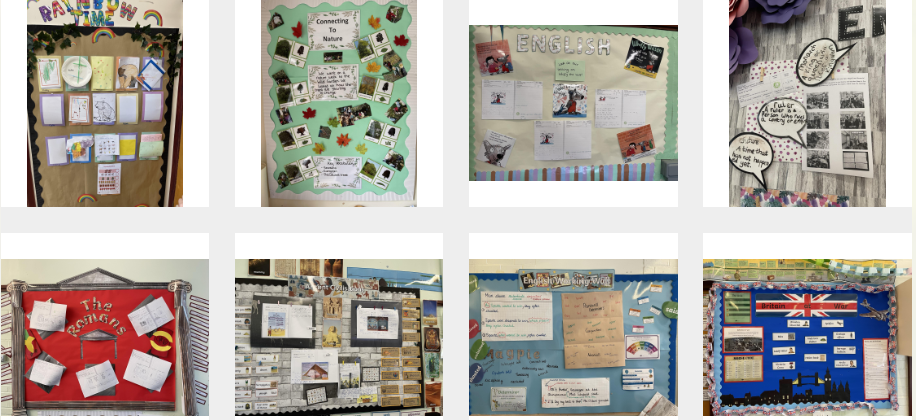
Have a look at some of our displays...